

Winter Holidays to Morocco: Weather, Best Places & Itinerary
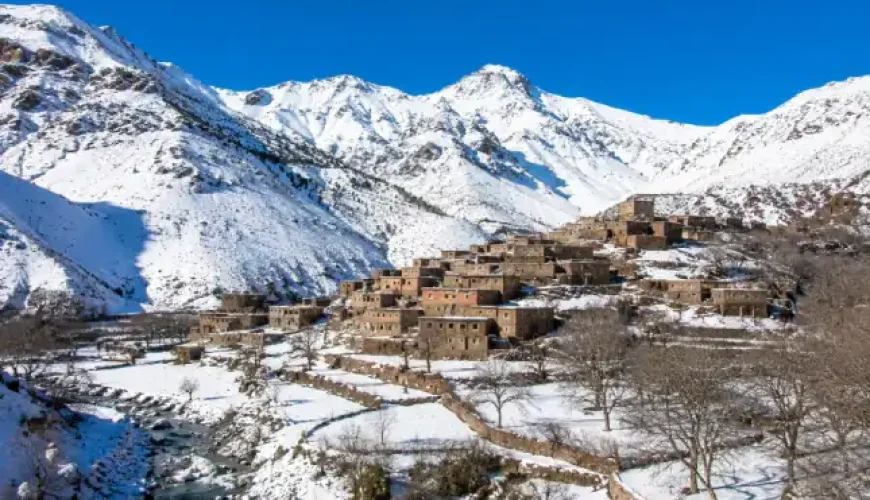
Winter holidays to Morocco are ideal for travelers who want sunshine, culture, desert landscapes, and a complete change of scenery without the extreme heat of summer. From December to March, Morocco offers a beautiful mix of mild daytime weather, colorful cities, peaceful medinas, snow-capped Atlas Mountains, and unforgettable Sahara Desert experiences. This is one of the best seasons to explore places like Marrakech, Fes, Rabat, Chefchaouen, Essaouira, and the Sahara Desert at a more comfortable pace. The days are often pleasant for walking, sightseeing, photography, camel trekking, and discovering Morocco’s historic cities without the heavy summer heat. But winter in Morocco is also a season of contrasts. Marrakech can feel sunny and warm during the day, while evenings in Fes, Chefchaouen, the Atlas Mountains, and the Sahara Desert can be very cold. This is why planning the right route, choosing the right accommodations, and packing layers are important. For travelers who want comfort, flexibility, and a well-balanced route, a private Morocco winter tour is often the best way to enjoy the country in this season. Customize your Tour to Morocco for December Why Morocco Is Perfect for Winter Holidays Winter holidays in Morocco are perfect for travelers looking for winter sun, cultural discovery, and varied landscapes in one trip. Morocco is close to Europe, easy to reach by short flights, and offers a completely different atmosphere from the cold winter months in many European countries. Unlike summer, when temperatures can become very high in Marrakech, Fes, and the Sahara region, winter makes sightseeing much more enjoyable. You can walk through the souks of Marrakech, explore the ancient medina of Fes, visit Roman ruins near Meknes, or enjoy rooftop views without feeling overwhelmed by heat. Morocco in winter is also a wonderful season for the desert. The Sahara Desert can be too hot in summer, but from December to March, the daytime weather is much more comfortable for camel trekking, 4×4 desert adventures, sunset walks on the dunes, and nights in a luxury desert camp. The only thing to remember is that desert nights can be cold, especially in December and January. What makes Morocco winter holidays special is the contrast. In one private itinerary, you can enjoy sunny medinas, snow views in the Atlas Mountains, golden dunes in Merzouga, and the relaxed Atlantic coast of Essaouira. Few winter sun destinations offer this much variety in such a short distance. Winter is also a good time for travelers who prefer fewer crowds. Marrakech, Fes, Chefchaouen, and the desert are usually calmer than during the busiest spring and autumn periods, except around Christmas and New Year when demand can be high. For couples, families, and travelers who want a more comfortable cultural experience, Morocco is one of the strongest winter holiday choices. Morocco Winter Weather: What to Expect from December to March The weather during Morocco winter holidays depends on where you travel. Morocco is a country of contrasts, so the winter experience in Marrakech is different from Fes, the Sahara Desert, the Atlas Mountains, or the Atlantic coast. In general, Morocco in winter offers mild and sunny days in many areas, especially in Marrakech, Rabat, Essaouira, and the south. However, mornings and evenings can be cold. Fes and Chefchaouen often feel cooler than Marrakech, while the Atlas Mountains can receive snow. In the Sahara Desert, the days are usually beautiful for exploring, but the nights can become very cold. Here is a simple month-by-month guide: Morocco in December is popular for Christmas and New Year holidays. It is a great time for Marrakech, Fes, and the Sahara Desert, but travelers should book early because good riads and desert camps can fill quickly. Morocco in January is usually quieter. It can be cold, especially at night, but it is a good month for travelers who want fewer crowds and a calmer experience. Morocco in February brings a softer feeling. The weather slowly improves, and it can be a beautiful time for desert trips, cultural tours, and romantic winter escapes. Morocco in March is one of the best times for a winter or early spring holiday. The weather becomes warmer, landscapes are greener, and it is an excellent month for a full Morocco winter itinerary combining cities, desert, mountains, and coast. The most important advice is to pack layers. During the day, you may wear light clothes in Marrakech or the desert, but after sunset, you will need a warm jacket. This is especially true in Fes, Chefchaouen, the Atlas Mountains, and Merzouga. Also, not all traditional riads have strong heating, so choosing the right accommodation is important for a comfortable winter holiday to Morocco. Best Places to Visit in Morocco in Winter The best places to visit in Morocco in winter depend on the type of holiday you want. Marrakech in winter is ideal for sunny days, souks, gardens, rooftop dining, and cultural sightseeing without the summer heat. Fes is perfect for travelers who want history, artisans, food, and one of Morocco’s most authentic medinas, though evenings can feel cold. The Sahara Desert in winter is one of the highlights of Morocco winter holidays. Around Merzouga and the Erg Chebbi dunes, days are comfortable for camel trekking, 4×4 adventures, and sunset photography, while nights require warm clothes. The Atlas Mountains offer snow-capped views, Berber villages, and winter landscapes around Imlil. Essaouira is a relaxed coastal stop with mild weather, seafood, and Atlantic views. Chefchaouen is beautiful and quiet, but it can be cold or rainy, so it works best as part of a cultural route. Best Morocco Winter Itinerary A strong Morocco winter itinerary should combine cities, desert, mountains, and coast without making the trip feel rushed. For a 10 to 12-day winter holiday, a balanced route could start in Casablanca, continue to Rabat, then Chefchaouen, Fes, the Sahara Desert in Merzouga, Dades Valley, Ait Ben Haddou, Marrakech, and Essaouira if time allows. This route works well in winter because it gives travelers the best of Morocco: imperial cities, blue streets,
-
 BY nassimga
 - May 9, 2026 2:59 pm
- no comment
