

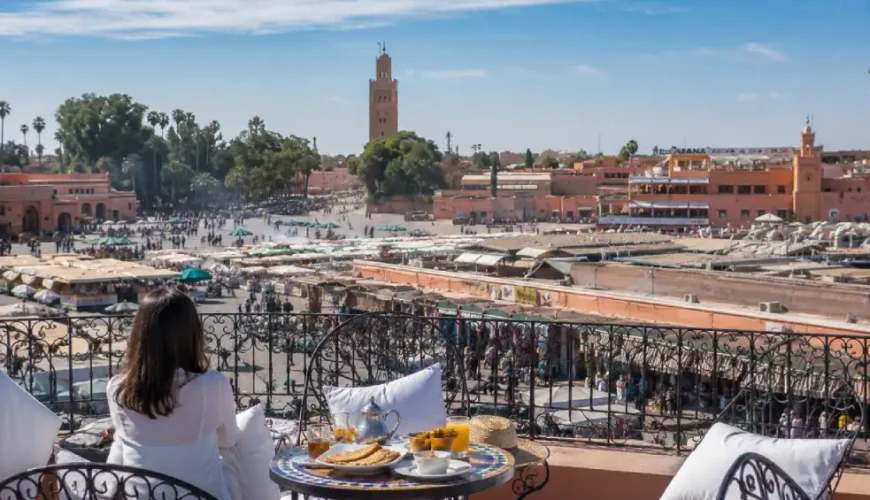
Should You Visit Morocco Before the FIFA World Cup 2030? Here’s Why Now May Be the Best Time
If you’re wondering whether you should visit Morocco before the FIFA World Cup 2030, the short answer is yes—especially if you’re looking for authentic experiences, fewer crowds, and a deeper connection with the country’s culture. Morocco is preparing to host one of the world’s biggest sporting events, and the transformation has already begun. New airports, high-speed railways, highways, hotels, and tourism projects are reshaping the country, making it more accessible than ever before. For future travelers, that’s fantastic news. But easier access usually comes with an important consequence: more visitors. History has shown that when destinations receive global exposure through events like the FIFA World Cup or the Olympic Games, tourism grows rapidly. Places that once felt undiscovered become international hotspots, local businesses adapt to growing demand, and the overall travel experience naturally begins to evolve. That doesn’t mean Morocco will lose its magic. Quite the opposite. The country will continue to captivate visitors with its imperial cities, breathtaking landscapes, warm hospitality, and centuries-old traditions. However, those who visit Morocco before the FIFA World Cup 2030 have a rare opportunity to experience the country during a unique moment in its history—when many of its most iconic destinations still retain a slower pace of life, meaningful local interactions happen naturally, and authentic experiences remain at the heart of the journey. In this article, we’ll explore how Morocco is changing, what those changes mean for travelers, and why visiting before 2030 could offer an experience that may become increasingly difficult to find in the years that follow. Customize your Tour to Morocco How the FIFA World Cup 2030 Is Transforming Tourism in Morocco? The FIFA World Cup 2030 is far more than a month-long sporting event. For Morocco, it represents one of the most ambitious tourism and infrastructure transformations in the country’s modern history. Over the next few years, billions of dollars will be invested in transportation, hospitality, and urban development. Airports are being expanded, the high-speed rail network is growing, highways are being upgraded, and new hotels are opening across major tourist destinations. The objective is clear: make Morocco easier to visit while welcoming millions of additional international travelers in the decades ahead. These improvements will benefit visitors in many ways. Traveling between cities will become faster, airports will handle more international flights, and accommodation options will continue to expand. Exploring Morocco will simply become more convenient. Yet improved accessibility almost always leads to increased popularity. We’ve seen this happen across the world. Iceland experienced an extraordinary tourism boom after gaining international attention. Dubrovnik transformed after becoming one of Europe’s most recognizable filming locations. Kyoto, Santorini, and Bali all witnessed dramatic increases in visitor numbers as global interest grew. Morocco is now following a similar trajectory. While no one can predict exactly how tourism will evolve after 2030, one thing is certain: the country will become more visible than ever before. That visibility will attract new travelers, new investments, and new opportunities—but it will also gradually change the atmosphere of places that today still feel wonderfully authentic. For travelers seeking genuine cultural encounters rather than simply checking landmarks off a list, visiting Morocco before the FIFA World Cup 2030 offers the chance to experience a country that is evolving, yet still deeply connected to its traditions and everyday way of life. Why Authentic Morocco Is Easier to Experience Today One of the biggest reasons to visit Morocco before the FIFA World Cup 2030 has nothing to do with football. It has everything to do with authenticity. Today’s Morocco still offers countless moments that feel spontaneous rather than curated. Wander through the narrow streets of Fes, stop to watch an artisan shape brass by hand, or accept an invitation for mint tea from a local shopkeeper. These are the kinds of experiences that can’t be scheduled—they simply happen. Outside the major cities, the feeling becomes even stronger. In the Atlas Mountains, Berber villages continue to preserve traditions that have existed for centuries. Families welcome travelers into their homes, meals are prepared using recipes passed down through generations, and life follows the rhythm of the seasons rather than the clock. The Sahara Desert offers a similar sense of timelessness. Watching the sun disappear behind the dunes, listening to Berber music around a campfire, or waking up to complete silence in the middle of Erg Chebbi creates memories that go far beyond sightseeing. These experiences are not attractions—they are moments of genuine connection with Morocco’s landscapes and people. Even Morocco’s famous cities still have quieter corners waiting to be discovered. Early mornings in Chefchaouen, hidden riads tucked behind ancient doors in Marrakech, and peaceful evenings in Essaouira still allow travelers to experience a slower side of Morocco that many destinations around the world have gradually lost. This doesn’t mean these places will disappear after 2030. But as Morocco becomes more accessible and attracts millions of additional visitors, these experiences are likely to become more sought after—and naturally, more difficult to enjoy in the same peaceful way. For travelers searching for authentic Morocco, the years leading up to 2030 represent a rare opportunity to experience the country before its next chapter begins. What Happens When a Destination Becomes World Famous? History shows that hosting a global event can completely transform a tourism destination. Not overnight—but steadily, year after year. The FIFA World Cup doesn’t simply bring visitors during the tournament. It places an entire country in front of billions of viewers, creating awareness that continues long after the final whistle. We’ve seen this happen across the world. After international exposure, Iceland experienced one of the fastest tourism booms in Europe. Dubrovnik became a global destination following its appearance in major television productions. Santorini, Bali, and Kyoto all saw visitor numbers rise dramatically as their international profiles grew. These destinations remain extraordinary. But the visitor experience changed. Local cafés became international brands. Quiet neighborhoods became busy attractions. Hotels multiplied, prices increased, and finding peaceful moments became more challenging during much of the year. Morocco is
-
 BY nassimga
 - August 31, 2026 10:37 pm
- no comment
