

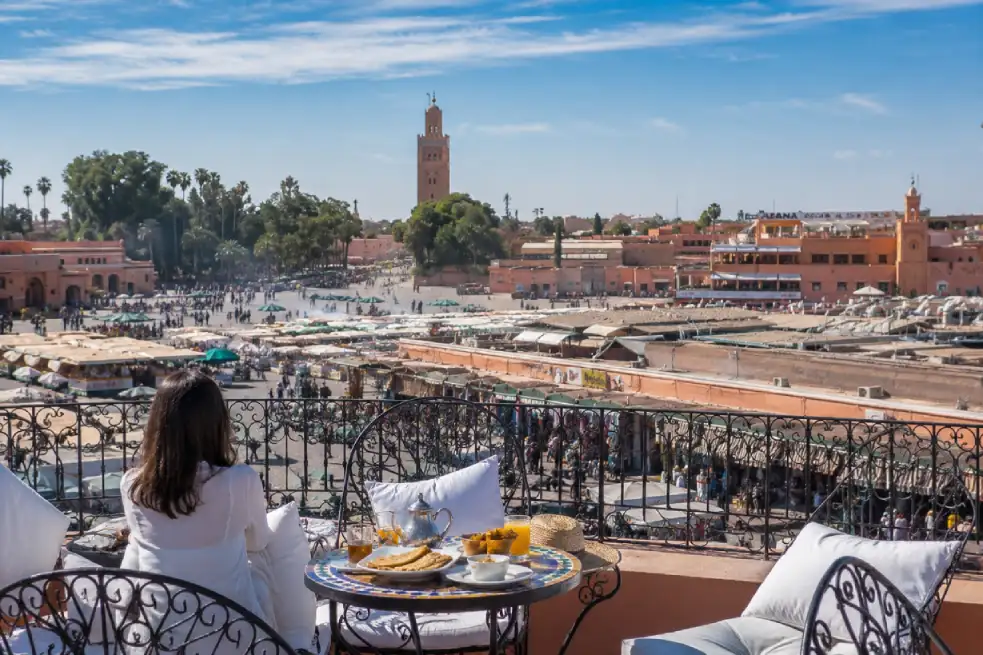

If you’re wondering whether you should visit Morocco before the FIFA World Cup 2030, the short answer is yes—especially if you’re looking for authentic experiences, fewer crowds, and a deeper connection with the country’s culture.
Morocco is preparing to host one of the world’s biggest sporting events, and the transformation has already begun. New airports, high-speed railways, highways, hotels, and tourism projects are reshaping the country, making it more accessible than ever before.
For future travelers, that’s fantastic news.
But easier access usually comes with an important consequence: more visitors.
History has shown that when destinations receive global exposure through events like the FIFA World Cup or the Olympic Games, tourism grows rapidly. Places that once felt undiscovered become international hotspots, local businesses adapt to growing demand, and the overall travel experience naturally begins to evolve.
That doesn’t mean Morocco will lose its magic. Quite the opposite. The country will continue to captivate visitors with its imperial cities, breathtaking landscapes, warm hospitality, and centuries-old traditions.
However, those who visit Morocco before the FIFA World Cup 2030 have a rare opportunity to experience the country during a unique moment in its history—when many of its most iconic destinations still retain a slower pace of life, meaningful local interactions happen naturally, and authentic experiences remain at the heart of the journey.
In this article, we’ll explore how Morocco is changing, what those changes mean for travelers, and why visiting before 2030 could offer an experience that may become increasingly difficult to find in the years that follow.

Customize your Tour to Morocco
How the FIFA World Cup 2030 Is Transforming Tourism in Morocco?
The FIFA World Cup 2030 is far more than a month-long sporting event. For Morocco, it represents one of the most ambitious tourism and infrastructure transformations in the country’s modern history.
Over the next few years, billions of dollars will be invested in transportation, hospitality, and urban development. Airports are being expanded, the high-speed rail network is growing, highways are being upgraded, and new hotels are opening across major tourist destinations.
The objective is clear: make Morocco easier to visit while welcoming millions of additional international travelers in the decades ahead.
These improvements will benefit visitors in many ways. Traveling between cities will become faster, airports will handle more international flights, and accommodation options will continue to expand. Exploring Morocco will simply become more convenient.
Yet improved accessibility almost always leads to increased popularity.
We’ve seen this happen across the world. Iceland experienced an extraordinary tourism boom after gaining international attention. Dubrovnik transformed after becoming one of Europe’s most recognizable filming locations. Kyoto, Santorini, and Bali all witnessed dramatic increases in visitor numbers as global interest grew.
Morocco is now following a similar trajectory.
While no one can predict exactly how tourism will evolve after 2030, one thing is certain: the country will become more visible than ever before. That visibility will attract new travelers, new investments, and new opportunities—but it will also gradually change the atmosphere of places that today still feel wonderfully authentic.
For travelers seeking genuine cultural encounters rather than simply checking landmarks off a list, visiting Morocco before the FIFA World Cup 2030 offers the chance to experience a country that is evolving, yet still deeply connected to its traditions and everyday way of life.
Why Authentic Morocco Is Easier to Experience Today 
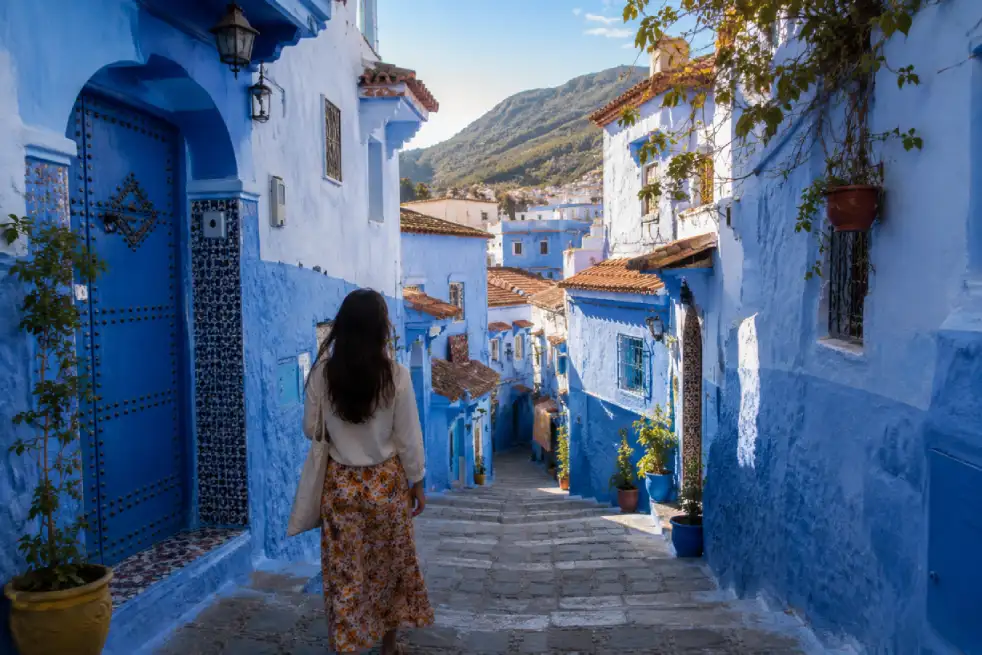
One of the biggest reasons to visit Morocco before the FIFA World Cup 2030 has nothing to do with football. It has everything to do with authenticity.
Today’s Morocco still offers countless moments that feel spontaneous rather than curated. Wander through the narrow streets of Fes, stop to watch an artisan shape brass by hand, or accept an invitation for mint tea from a local shopkeeper. These are the kinds of experiences that can’t be scheduled—they simply happen.
Outside the major cities, the feeling becomes even stronger.
In the Atlas Mountains, Berber villages continue to preserve traditions that have existed for centuries. Families welcome travelers into their homes, meals are prepared using recipes passed down through generations, and life follows the rhythm of the seasons rather than the clock.
The Sahara Desert offers a similar sense of timelessness.
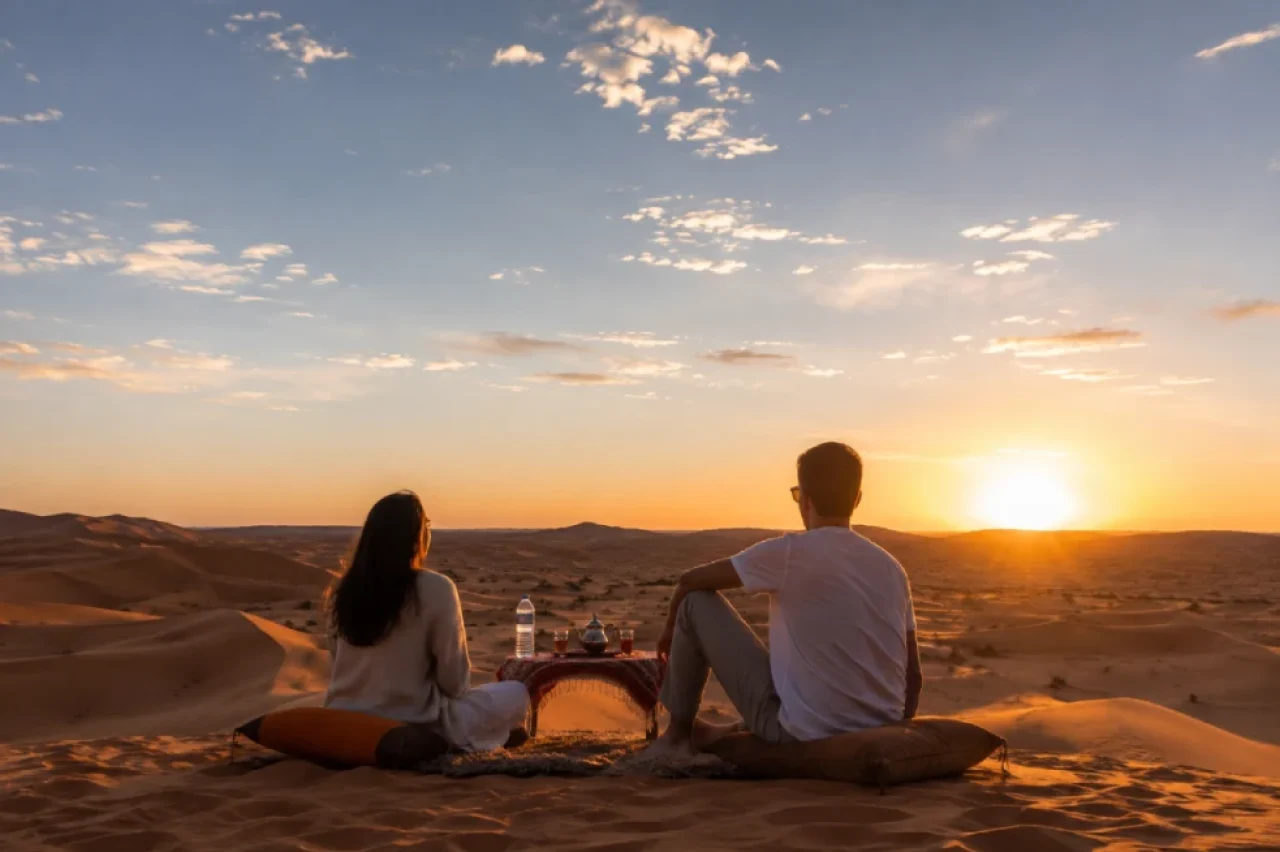
Watching the sun disappear behind the dunes, listening to Berber music around a campfire, or waking up to complete silence in the middle of Erg Chebbi creates memories that go far beyond sightseeing. These experiences are not attractions—they are moments of genuine connection with Morocco’s landscapes and people.
Even Morocco’s famous cities still have quieter corners waiting to be discovered.
Early mornings in Chefchaouen, hidden riads tucked behind ancient doors in Marrakech, and peaceful evenings in Essaouira still allow travelers to experience a slower side of Morocco that many destinations around the world have gradually lost.
This doesn’t mean these places will disappear after 2030.
But as Morocco becomes more accessible and attracts millions of additional visitors, these experiences are likely to become more sought after—and naturally, more difficult to enjoy in the same peaceful way.
For travelers searching for authentic Morocco, the years leading up to 2030 represent a rare opportunity to experience the country before its next chapter begins.
What Happens When a Destination Becomes World Famous?
History shows that hosting a global event can completely transform a tourism destination. Not overnight—but steadily, year after year.
The FIFA World Cup doesn’t simply bring visitors during the tournament. It places an entire country in front of billions of viewers, creating awareness that continues long after the final whistle.
We’ve seen this happen across the world.
After international exposure, Iceland experienced one of the fastest tourism booms in Europe. Dubrovnik became a global destination following its appearance in major television productions. Santorini, Bali, and Kyoto all saw visitor numbers rise dramatically as their international profiles grew.
These destinations remain extraordinary.
But the visitor experience changed.
Local cafés became international brands. Quiet neighborhoods became busy attractions. Hotels multiplied, prices increased, and finding peaceful moments became more challenging during much of the year.
Morocco is unlikely to be any different.
Thanks to the FIFA World Cup 2030, the country will receive unprecedented international attention. Combined with major investments in airports, transportation, and hospitality, Morocco is positioning itself to welcome significantly more travelers over the coming decades.
This transformation brings enormous benefits.
Improved infrastructure means smoother travel, better services, and stronger local economies. Tourism creates jobs, encourages the restoration of historic sites, and helps preserve cultural heritage through sustainable investment.
Yet increased popularity inevitably changes how destinations feel.
The charm of discovering an almost empty alley in Chefchaouen, sharing a quiet sunset in the Sahara, or enjoying an unhurried conversation with an artisan becomes harder to find when visitor numbers continue to grow.
That is why many experienced travelers choose destinations before they become global tourism icons.
Not because they fear change, but because they value experiencing a place while its traditions, daily life, and atmosphere remain at the center of the journey.
For those considering whether to visit Morocco before the FIFA World Cup 2030, this may be one of the strongest arguments of all: you’ll not only see Morocco—you’ll experience it during one of the most fascinating periods in its history, as it evolves from a beloved destination into one of the world’s premier travel hotspots.
Best tours for first time visitors
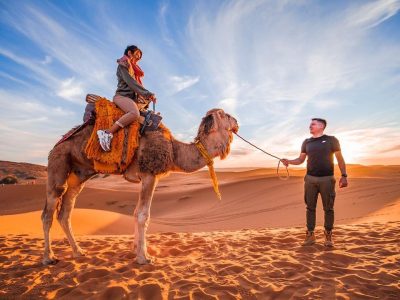
Morocco Before vs. After the FIFA World Cup 2030
No one can predict exactly what Morocco will look like after the FIFA World Cup 2030, but history gives us a good indication of what usually happens when a country hosts one of the world’s largest sporting events.
The changes are often gradual rather than immediate. New infrastructure attracts more airlines, improved transportation encourages more visitors to travel beyond the main cities, and international media exposure inspires millions of people to add the destination to their travel bucket list.
For travelers, many of these changes are positive.
You’ll likely find more direct international flights, faster trains connecting major cities, a wider choice of hotels, and smoother journeys between destinations. Morocco will become even easier to explore than it is today.
However, increased accessibility almost always brings greater demand.
Hotels that once had availability throughout the year may become harder to book during peak seasons. Popular attractions could welcome larger crowds, and destinations that currently feel peaceful may become significantly busier as international tourism continues to grow.
The experience itself may also evolve.
Today’s Morocco still allows travelers to stumble upon unexpected moments—sharing tea with a local artisan, finding an empty viewpoint overlooking Chefchaouen, or watching the sunset in the Sahara with only a handful of other visitors nearby. As tourism expands, these spontaneous moments become less common, simply because more people are seeking the very same experiences.
The comparison isn’t about deciding whether one Morocco is “better” than the other.
It’s about understanding that they will likely be different.
| Before 2030 | After the FIFA World Cup 2030 |
|---|---|
| Easier to find quieter destinations | More international visitors throughout the year |
| Greater opportunity for spontaneous local encounters | More organized tourism experiences |
| Lower demand for accommodations outside peak periods | Higher occupancy and greater demand |
| Authentic atmosphere in many lesser-known destinations | Increased development and international recognition |
| A country in transformation | A country established as a major global tourism destination |
For travelers who value authenticity over convenience, visiting Morocco before the FIFA World Cup 2030 offers the chance to experience the country during a fascinating period of transition—before global attention reaches its peak.
Best Morocco Tours from Marrakech
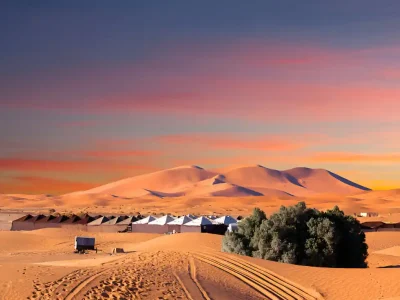
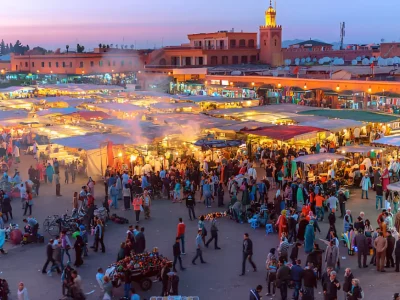
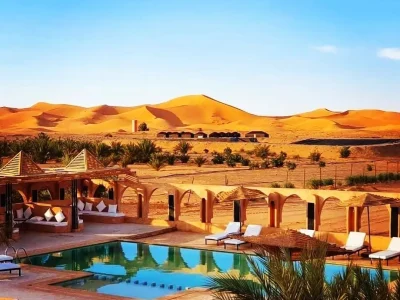
Places You Should Experience Before They Become Even More Popular
Morocco is filled with extraordinary destinations, but some places still retain a sense of discovery that is becoming increasingly rare around the world. While these locations will remain beautiful after 2030, visiting them today offers a quieter, more intimate experience.
Chefchaouen
The famous Blue City has already become one of Morocco’s most photographed destinations, yet it still rewards travelers who stay a little longer. Wander the blue streets early in the morning, before day-trippers arrive, and you’ll experience a peaceful atmosphere that feels worlds away from the busy afternoons.
The Sahara Desert
The dunes of Erg Chebbi remain one of Morocco’s greatest treasures. Spending a night beneath the stars, listening to Berber music around a campfire, and watching sunrise over endless golden sand creates memories that last a lifetime. As Morocco’s popularity grows, demand for these experiences is expected to increase significantly.
The Atlas Mountains and Berber Villages
Beyond spectacular scenery, the Atlas Mountains offer something increasingly valuable: genuine human connection.
Many private tours include visits with Berber families, where travelers are welcomed with homemade bread, mint tea, and stories passed down through generations. These moments aren’t performances for tourists—they are authentic expressions of Moroccan hospitality that continue to define rural life.
Aït Ben Haddou
This UNESCO World Heritage Site has already achieved international fame through films such as Gladiator and series like Game of Thrones. Yet arriving early in the morning or staying overnight still allows visitors to experience its remarkable atmosphere before the busiest hours.
Dades Valley and Todra Gorge
Often overlooked by travelers rushing between Marrakech and the Sahara, these spectacular valleys showcase another side of Morocco. Dramatic rock formations, palm groves, traditional kasbahs, and quiet villages create landscapes that feel untouched despite their growing popularity.
Essaouira
Essaouira offers a completely different rhythm from Morocco’s imperial cities. Its relaxed medina, Atlantic coastline, fresh seafood, and thriving artistic community make it one of the country’s most enjoyable destinations. As transportation improves and international tourism grows, this charming coastal town is likely to attract an even wider audience.
These destinations illustrate why many experienced travelers recommend visiting Morocco before the FIFA World Cup 2030. It’s not because these places will lose their beauty—they won’t. It’s because there is something special about experiencing them before they become part of every travel itinerary.
Sometimes, the best memories come not from discovering a famous destination, but from discovering it before everyone else does.
Best Morocco Tours Before the FIFA World Cup 2030
If you’ve decided to visit Morocco before the FIFA World Cup 2030, choosing the right itinerary is just as important as choosing the right time. Morocco is much larger than many travelers expect, and rushing from one destination to another often means missing what makes the country truly special.
At Morocco Travel, we’ve found that journeys of 10 days or more offer the best balance between sightseeing and authentic experiences. Rather than simply checking famous landmarks off a list, these itineraries give you time to slow down, meet local people, and experience the incredible diversity of Morocco.
15 Days Tour from Casablanca
Our most comprehensive itinerary is ideal for travelers who want to discover Morocco in depth. You’ll explore the imperial cities of Rabat, Meknes, Fes, and Marrakech, wander the blue streets of Chefchaouen, spend two unforgettable nights in the Sahara Desert, relax on the Atlantic coast in Essaouira, and enjoy a memorable visit with a Berber family in the Atlas Mountains.
14 Days Tour from Casablanca
This itinerary follows a similar route while maintaining a comfortable pace. It includes Morocco’s most iconic destinations together with authentic experiences such as camel trekking, traditional riad stays, mountain villages, and two nights beneath the stars in the Sahara.
12 Days Tour from Casablanca
Perfect for travelers who want to spend more time in the desert. Instead of rushing through Merzouga, you’ll enjoy an additional night among the dunes, allowing time for sunrise camel rides, sandboarding, and visits to nearby nomadic communities.
10 Days Tour from Casablanca
One of our most popular tours, this itinerary combines Casablanca, Chefchaouen, Fes, the Sahara Desert, the Atlas Mountains, and Marrakech into an unforgettable adventure. It’s ideal for travelers who want to experience Morocco’s highlights without feeling constantly on the move.
10 Days Tour from Marrakech
Starting in Morocco’s most vibrant city, this route takes you through the spectacular High Atlas Mountains, Aït Ben Haddou, Dades Valley, Todra Gorge, and the Sahara Desert before continuing north through Fes. Like all our longer itineraries, it also includes authentic encounters with Berber communities.
Whichever itinerary you choose, traveling before 2030 offers the chance to experience these places while they still retain the atmosphere that has captivated travelers for generations.
Final Thoughts: Morocco Will Still Be Beautiful—But Different
Morocco is not standing still.
It is growing, modernizing, and preparing to welcome the world.
New airports will make international travel easier. High-speed trains will connect cities faster than ever before. Hotels, roads, museums, and tourism projects will continue improving the visitor experience for millions of future travelers.
These are positive developments.
They will strengthen Morocco’s economy, create new opportunities for local communities, and make the country even more accessible to visitors from around the globe.
Yet every destination experiences a moment before the world fully discovers it.
For Morocco, that moment is happening now.
Today, you can still wander through quiet alleyways before the crowds arrive, watch the sunrise over the Sahara in peaceful silence, or spend an afternoon sharing tea with a Berber family in the Atlas Mountains without feeling like you’re part of a carefully choreographed tourist experience.
Those moments are what many travelers remember most.
Not the airports.
Not the highways.
Not even the famous landmarks.
They remember the conversations, the hospitality, the unexpected invitations, and the feeling of discovering a country that still surprises them at every turn.
The FIFA World Cup 2030 will undoubtedly place Morocco among the world’s most recognized travel destinations. And it deserves that recognition.
But if you’ve always dreamed of exploring Morocco, don’t wait simply because the infrastructure will be even better in a few years.
Visit Morocco before the FIFA World Cup 2030, while the country is writing one of the most exciting chapters in its history. You’ll not only witness Morocco’s transformation—you’ll experience the authenticity, warmth, and timeless charm that made travelers fall in love with it long before the rest of the world arrived.
0 Comment