

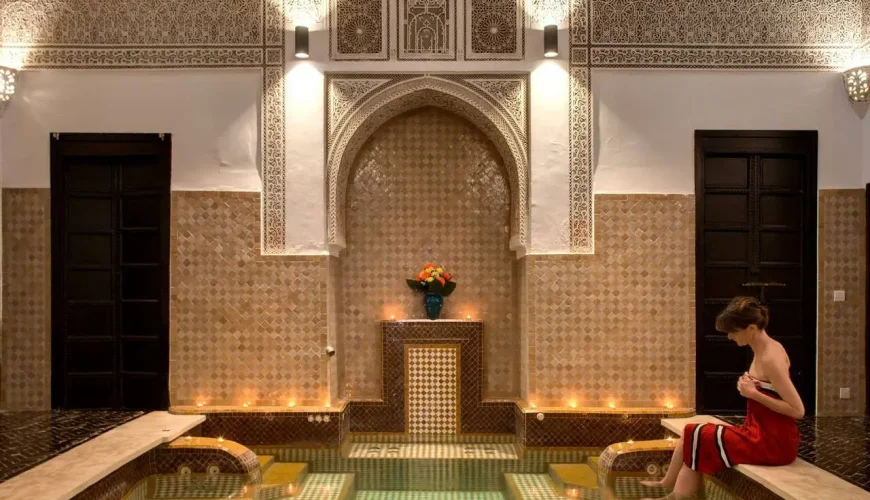
Traditional Moroccan Hammam: A Complete Guide to Relaxation
Introduction: Discover the Magic of Moroccan Hammams: Your Ultimate Guide Looking to indulge in authentic Moroccan relaxation? A traditional Moroccan hammam offers a unique wellness and cleansing experience that combines centuries-old rituals with deep cultural significance. You’re in the right place. This guide will walk you through everything you need to know about Moroccan hammam rituals, from their historical origins to modern-day tips for your first visit. Whether you’re planning a trip to Morocco or searching for the best Moroccan hammam near you, this article will help you uncover the secrets of this centuries-old tradition. Keep reading to explore the benefits of Moroccan hammams, understand the etiquette, and find answers to common questions in our Moroccan hammam FAQ section. What is a Traditional Moroccan Hammam? Understanding the Moroccan Bath Ritual A Moroccan hammam is a public steam bathhouse deeply rooted in the cultural and religious practices of Morocco. Traditionally, it serves as both a cleansing ritual and a social experience. Similar to Turkish baths or Roman thermae, the Moroccan hammam is typically composed of several interconnected rooms with varying levels of heat and humidity. Historically, hammams were linked to mosques and used for purification before prayer. Over time, they evolved into an essential part of community life, where people—especially women—gathered to cleanse, relax, and socialize. Step-by-Step Experience: What to Expect in a Moroccan Hammam Bath If it’s your first time, the traditional Moroccan hammam experience may seem a bit unfamiliar. But don’t worry, the process is simple and incredibly rejuvenating. Here’s what to expect: 1. Essential Preparation for Your Moroccan Hammam Visit Bring essentials: flip-flops, a bathing suit or underwear, towels, a scrubbing mitt (kessa), black soap (savon noir), ghassoul clay, and shampoo. Drink water beforehand; it’s going to get steamy! 2. Entering the Moroccan Hammam: Warm, Hot, and Very Hot Rooms Most hammams have three rooms: warm, hot, and very hot. You start in the warm room to acclimate your body. The heat helps open your pores, preparing your skin for deep cleansing. 3. The Role of Black Soap (Savon Noir) in the Moroccan Bath Ritual Black soap made from olives is massaged onto your skin. This natural exfoliant softens the skin and removes toxins. 4. Scrubbing with the Kessa Mitt for Exfoliation After letting the soap sit, an attendant (or yourself) uses the kessa mitt to scrub off layers of dead skin. It may feel intense, but the result is silky smooth skin. 5.Detoxifying Your Skin with Ghassoul Clay Mask After exfoliation, rinse off thoroughly. Next, a ghassoul clay mask is applied. Rich in minerals, it detoxifies and nourishes the skin. 6. Final Rinse and Hair Treatment in the Moroccan Hammam Shampoo your hair and rinse your whole body with warm or cool water. Some hammams offer a head massage or essential oil treatment to end the session. Health Benefits of Moroccan Hammams: Skin, Body, and Mind Rejuvenation Traditional Moroccan hammams are not just about cleanliness—they provide a wide range of physical, mental, and emotional health benefits: Deep skin exfoliation: Removes impurities and dead skin, helping with acne and blemishes. Detoxification: Sweating in steam rooms flushes out toxins from the body. Improved circulation: The heat stimulates blood flow and relaxes muscles. Stress relief: The tranquil environment eases anxiety and tension. Better sleep: After a hammam session, most people feel so relaxed they sleep like a baby. Moroccan Hammam Etiquette: Do’s and Don’ts of the Hammam Ritual Understanding proper hammam etiquette helps ensure a comfortable experience for everyone: ✅ Do: Bring your own supplies (unless provided). Respect the privacy of others—minimal talking and no photos. Tip your attendant if services are offered. Go with friends or family—it’s a communal event! ❌ Don’t: Wear heavy makeup or jewelry. Use loud voices. Overstay in very hot rooms if you’re not used to steam. Forget to drink water afterward to rehydrate. Different Types of Moroccan Hammams: Public vs. Luxury Bathhouses There are generally two types of hammams you can try in Morocco: 1. Traditional Public Hammams: Authentic and Affordable Moroccan Bathhouses Affordable and authentic. Usually gender-separated and attended mostly by locals. Bring your own products or buy them at the entrance. 2. Luxury Hammams (Riads or Spas): Pampered Wellness Experiences Catered toward tourists with professional services. Offer packages with massages, aromatherapy, and private rooms. More expensive, but incredibly relaxing. Moroccan Hammam FAQ: Common Questions About the Traditional Bath Experience Q: Is it safe for first-timers to visit a Moroccan hammam?A: Absolutely! Just follow the etiquette and consider starting with a spa-style hammam if you prefer more privacy. Q: What is black soap and why is it used?A: Moroccan black soap (savon noir) is a natural exfoliant made from olives. It softens the skin and prepares it for deep cleansing. Q: Do men and women bathe together?A: No, traditional hammams are gender-separated. They have different hours or sections for men and women. Q: Can I go to a hammam during pregnancy?A: It’s best to consult with your doctor first. High heat and steam may not be recommended for all pregnancies. Q: How often should I visit a hammam?A: Once a week is traditional, but even once a month can bring great benefits. Q: What should I wear inside the hammam?A: Most people wear underwear or a swimsuit. Some traditional hammams may allow nudity, but check beforehand. Conclusion: Embrace the Hammam Culture Whether you’re traveling through the winding streets of Marrakech or discovering Moroccan wellness in your hometown, the traditional Moroccan hammam is an experience not to be missed. It’s not just a bath—it’s a ritual of rejuvenation, a journey into history, and a true act of self-care. From the invigorating steam to the exfoliating black soap and mineral-rich ghassoul, each element of the hammam connects you with Morocco’s rich cultural heritage and leaves you feeling brand new.
-
 BY nassimga
 - April 12, 2025 8:12 pm
- no comment

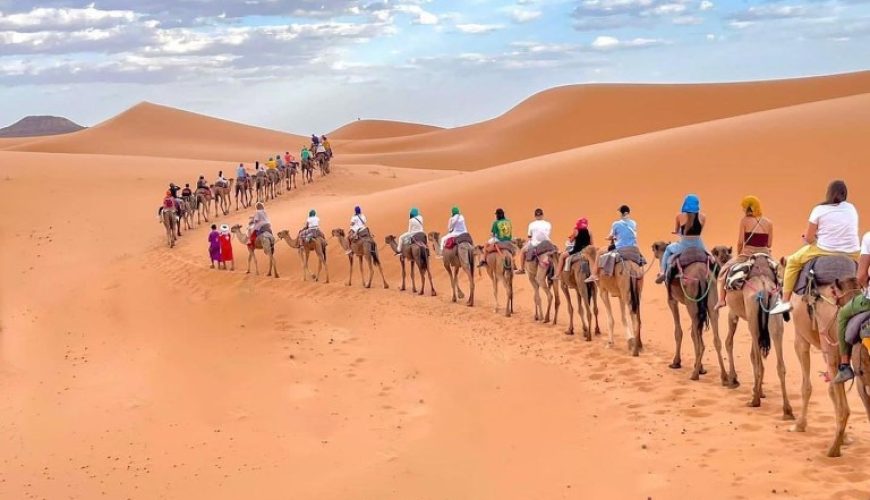
What to Pack for a Morocco Desert Tour: Essential Packing List
What to Pack for a Morocco Desert Tour: Essential Packing Guide for Your Adventure Morocco is home to some of the most captivating and diverse landscapes in the world, and its Sahara Desert is undoubtedly one of the highlights of any visit. If you are planning a Morocco desert tour, whether it’s a thrilling camel ride, a trek through vast sand dunes, or an overnight stay in a Berber tent under the stars, you must pack wisely. In this guide, we will help you prepare for your desert adventure by outlining the essential items to pack for a Morocco desert tour, ensuring you are comfortable and well-prepared for the unique conditions of the desert. Why Prepare Well for a Morocco Desert Tour? Before we dive into the packing details, it’s essential to understand why proper preparation is so crucial for a desert tour in Morocco. The desert environment is harsh and can be unforgiving. Daytime temperatures can soar to scorching heights, while nights can be surprisingly chilly. There’s also the sand, wind, and intense sun to contend with. Whether you are embarking on a short day tour or an extended multi-day trek, packing appropriately will ensure you stay safe, comfortable, and enjoy your trip to the fullest. Let’s explore the essentials to pack for a Morocco desert tour! 1. What to Pack for a Morocco Desert Tour: Essential Clothing and Gear When you think of desert attire, lightweight and breathable fabrics should immediately come to mind. However, desert environments can also be surprisingly cool at night, so you need to be prepared for both extremes. Daywear Light, Breathable Fabrics: Opt for cotton or linen clothes to stay cool during the hot daytime. Loose-fitting shirts and pants are ideal because they allow for airflow and protect your skin from the harsh sun. Sun Protection: A wide-brimmed hat or a scarf is essential to protect your face from the strong Moroccan sun. A light-colored hat will help reflect sunlight and keep your head cool. UV Protection: Consider wearing long sleeves and pants to protect your skin from UV rays. Many travelers prefer clothes with built-in UV protection for added peace of mind. Nightwear Warm Layer: Even though the daytime can be blistering hot, desert nights are often cold, so bring a warm jacket or fleece for the evening. A lightweight down jacket or a sweater should be sufficient. Pajamas: Comfortable and breathable clothes for sleeping in the cool desert evenings. Footwear Sturdy Shoes or Boots: Since you will likely be walking on sand dunes or rocky terrain, pack durable hiking shoes or boots with good grip. Make sure they are broken in to avoid blisters. Sandals/Flip-Flops: A pair of lightweight sandals is perfect for relaxing at camp after a day of exploration. 2. Clothing Essentials for Your Morocco Desert Adventure In addition to your clothing, there are a few key accessories you’ll want to bring to make your desert experience more enjoyable. Sunglasses: The desert sun is intense, and the glare from the sand can be blinding. Invest in high-quality sunglasses with UV protection to shield your eyes. Scarf or Shemagh: A traditional desert scarf can serve as a versatile item: it can protect your head from the sun, keep dust out of your face, or provide warmth during cold nights. Backpack: A small, lightweight daypack is essential for carrying your water, snacks, camera, and other personal items during your desert tour. 3. Footwear for Your Morocco Desert Tour: Comfortable and Durable Options The desert heat can quickly dehydrate you, so proper hydration is one of the most critical factors to consider when packing. Water Bottles: Always have a refillable water bottle with you. It’s a good idea to carry at least 2 liters of water per person per day, especially if you’re hiking or doing physical activities. Electrolytes: In the dry desert heat, you will sweat a lot. Bringing along some electrolyte tablets or drinks can help replenish lost salts and minerals. Snacks: Lightweight, energy-dense snacks like nuts, dried fruits, and granola bars are ideal for quick energy boosts during your trip. 4. Hydration and Snacks: How to Stay Energized on Your Morocco Desert Tour Access to showers and running water might be limited, so pack the following essentials to maintain personal hygiene during your desert adventure. Wet Wipes: Wet wipes are invaluable when it comes to cleaning up when water is scarce. Toothbrush and Toothpaste: Keeping your teeth clean will help you feel fresh, even on the go. Sunscreen: Make sure to pack a high-SPF sunscreen, as the desert sun is powerful, and the reflection off the sand can intensify UV exposure. Lip Balm with SPF: Protect your lips from chapping or burning with a moisturizing lip balm that includes sun protection. 5. Sun Protection and Accessories for Your Morocco Desert Tour A Morocco desert tour offers countless opportunities for amazing photographs. To ensure your electronics stay protected and functional, consider the following: Camera: Bring a camera or smartphone with extra memory cards to capture the stunning landscapes and moments of your trip. Power Bank: Since you might not have access to power outlets while in the desert, a portable charger is a must to keep your devices powered up. Headlamp or Flashlight: It gets very dark at night in the desert, so a reliable headlamp or flashlight is essential for navigating around camp. 6. Electronics to Bring for a Morocco Desert Tour If you’re staying overnight in the desert, you may be sleeping in a tent or under the open sky. Here’s what you’ll need: Sleeping Bag: Bring a sleeping bag suitable for cold desert nights, ideally rated for temperatures lower than 50°F (10°C) for maximum comfort. Sleeping Pad: To protect your body from the hard ground, a lightweight sleeping pad or mat is recommended. Earplugs: If you’re sensitive to sounds, earplugs can help block out noise from the desert winds or fellow travelers. 7. Sleeping Essentials: Resting Under the Stars on Your Morocco Desert Tour Here are
-
BY nassimga
- April 9, 2025 1:17 pm
- no comment
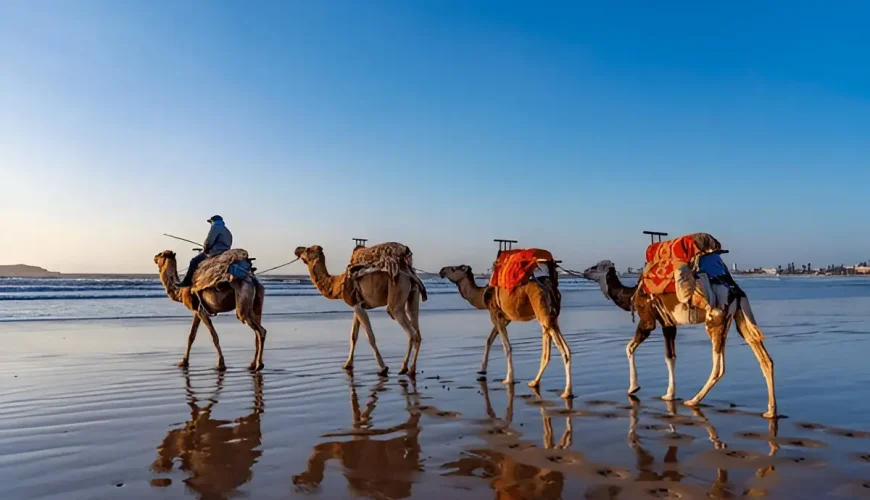
Best Summer Holidays to Morocco
Are you dreaming of summer holidays to Morocco that blend culture, adventure, and pure relaxation? Look no further. There’s no denying Morocco’s timeless appeal—the golden dunes of the Sahara Desert, the vibrant medinas scented with spices, and the dramatic coastline framed by the Atlantic’s refreshing breeze. This North African gem caters to travelers of all stripes, whether you crave a bustling city escape or tranquil moments surrounded by nature. In this guide, we’ll delve into how Morocco Travel’s unique tours and offerings can elevate your experience, why summer holidays to Morocco are an ideal choice for 2025, 2026, and beyond, and what you should know before planning a trip here. Let’s dive in! Why Summer Holidays to Morocco Capture the Imagination A Mosaic of Culture and Landscapes Unlike many destinations that revolve around a single beach or city, Morocco serves up an incredibly diverse palette of experiences. In one trip, you could wander centuries-old alleyways, soak up mountain panoramas, and ride a camel across rolling dunes. When you choose summer holidays to Morocco, you open the door to countless cultural and outdoor adventures: Bustling Medinas – Fez and Marrakech offer labyrinthine markets, stunning architecture, and the chance to haggle for one-of-a-kind souvenirs. Refreshingly Cool Coastlines – Cities like Essaouira and Agadir boast breezy beaches—welcome respites from the inland heat. Mountain Retreats – The High Atlas region offers a break from the summer temperatures, plus opportunities for scenic hikes. Desert Thrills – The Sahara’s imposing dunes, especially around Merzouga, transform at sunrise and sunset into otherworldly landscapes you’ll never forget. Is Morocco Good for a Summer Holiday? Yes! Temperatures in inland areas such as Marrakech can become quite warm, but if you plan wisely, summer holidays to Morocco remain not just possible, but downright exhilarating. Coastal breezes tame the heat in places like Casablanca, Agadir, Tangier, and Essaouira, while the Atlas Mountains stay relatively cool. Even in the desert, sunrise and evening tours make the warmth more than manageable—often adding a sense of authenticity to your experience. Customize your Tour to Morocco When Are Summer Holidays to Morocco? What Months Are Summer in Morocco? Typically, Moroccan summers span from June to September, marked by long, sunny days and minimal rainfall. In the desert, the temperature can climb past 40°C (104°F) during the peak afternoon hours, whereas the coastal areas may hover around a more moderate 25–30°C (77–86°F). Despite the heat, many travelers find that Morocco summer holidays from the UK and other parts of Europe become easy weekend or weeklong getaways, thanks to short flight times and abundant travel deals. Is Morocco Too Hot in Summer? “Hot” is relative, especially when it comes to a country with multiple microclimates. In places like Marrakech, midday temperatures can feel intense, but you can schedule activities in the early morning or late afternoon to avoid the worst heat. Coastal towns like Essaouira often stay cool, making them ideal for water sports and leisurely exploration. If you’re still worried, consider factoring in a mountain retreat or a day trip to the Atlas region to balance out the scorching city temperatures. Morocco Summer Holidays All Inclusive Why Go Summer All Inclusive? All-inclusive tours can simplify every aspect of your travel—ideal if you want to minimize planning and maximize enjoyment. Morocco summer holidays all inclusive packages typically cover: Accommodation in top-rated hotels or Morocco holidays all inclusive 5-star resorts On-the-ground transport (private driver, or guided group buses) Meals—breakfast and dinner, sometimes lunch Organized excursions—city tours, desert experiences, museum visits Balancing Budget and Comfort Some travelers assume that all-inclusive equates to expensive. But if you research cheap summer holidays Morocco offerings, you’ll find plenty of competitively priced packages. Bundle deals often cost less than booking each element separately, particularly during the off-peak edges of the summer season (e.g., June or early September). This synergy of cost and convenience makes an all-inclusive approach particularly appealing for families or large groups. Check out some of the best Vacation packages to Morocco 15 Days Tour from Casablanca 5 (30 Reviews) Form $1.400,00 Featured Morocco Itinerary 14 Days | Ultimate Tour 5 (30 Reviews) Featured Form $1.350,00 10 Days Tour from Casablanca 5 (30 Reviews) Featured Form $900,00 All Inclusive Summer Holiday Approach One of the most common pitfalls travelers face is juggling separate bookings for flights, lodging, and tours. With Morocco Travel’s Morocco holiday packages, you can enjoy a streamlined, all-inclusive approach. Their offerings typically include: Pick-up and Drop-off: From the moment you land at the airport until you board your flight home, transfer logistics are handled. Air-Conditioned Vehicles: Perfect for those blazing summer days, ensuring comfort as you move between cities or venture off-the-beaten-path. Private English-Speaking Driver: Traveling with a knowledgeable local means you get cultural insights and insider tips on everything from hidden eateries to the best spots for photography. Local Guides: In-depth city tours, historical site explanations, and guided excursions to lesser-known regions. Camel Trekking and Sandboarding: Experience desert adventures during your summer holidays to Morocco—tackle Erg Chebbi’s massive dunes or simply admire their beauty as the sun sets. Luxury Desert Camps: Don’t miss out on stargazing in the desert. Modern amenities like hot showers and comfortable beds ensure a restful night beneath a blanket of stars. Daily Breakfasts and Select Dinners: Savor local tagines, couscous, fresh mint tea, and other Moroccan delicacies without the stress of finding restaurants last-minute. For travelers concerned about exploring Morocco in summer—especially families—having a reputable agency handle details from start to finish is invaluable. Reliable vehicles, professional guides, and curated accommodations ensure you’re not sacrificing safety or comfort. Summer Itineraries Snapshots: 10, 14, and 15 Days 15 Days summer Tour from Casablanca or Marrakech Extended Exploration: Two full weeks plus an additional day to explore all four imperial cities (Rabat, Fez, Meknes, Marrakech), plus desert regions, Chefchaouen’s “Blue City,” and maybe a few hidden gem villages. Deep Cultural Immersion: Time for local workshops in pottery, weaving, or cuisine. You could also arrange homestays or visits with Berber families in the High Atlas. Multi-Day Sahara
-
BY nassimga
- April 8, 2025 3:37 pm
- no comment
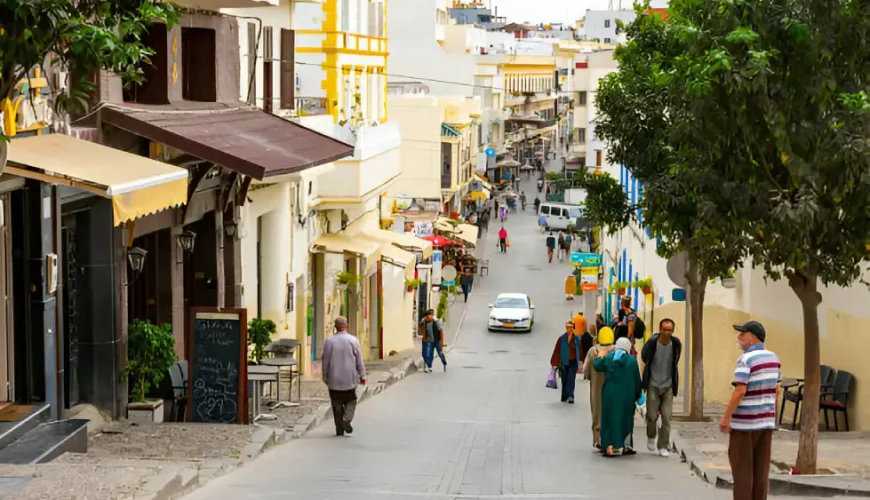
Best All Inclusive Holidays to Morocco
If you’ve been dreaming of an exotic getaway that combines vibrant culture, diverse landscapes, and hassle-free travel, look no further than all Inclusive Holidays to Morocco. This North African gem offers a feast for the senses—ancient medinas, fragrant spices, desert adventures, and coastal breezes—without the stress of piecing everything together yourself. In this guide, we’ll explore why choosing an all-inclusive package in Morocco can offer incredible value, highlight top destinations like Marrakech and the Sahara Desert, and share practical tips to make your trip memorable. From luxurious 5-star resorts to customizable private tours, you have plenty of options to craft the perfect Moroccan escape. Customize your Tour to Morocco Why Choose All Inclusive Holidays to Morocco? Choosing all Inclusive Holidays to Morocco is about more than just convenience. It’s a smart way to experience a new culture, maximize your budget, and minimize travel headaches: Simplicity: With lodging, meals, activities, and airport transfers bundled together, you won’t have to juggle multiple bookings. Cost-Effectiveness: Often, packages end up cheaper than booking each element separately, allowing you to splurge on unique experiences like camel trekking in the Sahara or exploring hidden valleys. Expert Guidance: Many providers include English-speaking drivers, local guides, and curated itineraries, ensuring you won’t miss major highlights or insider spots. Flexibility and Customization: Reputable tour companies—such as Morocco Travel—let you tailor your itinerary, accommodations, and even activities like sand boarding or private city tours. Below, we’ll dive deep into Morocco’s most iconic destinations, the types of packages available, and how to choose an all-inclusive holiday that fits your travel style. You can check also here the Best Morocco Holiday Packages for 2025/26 When to Book your All-Inclusive Holiday to Morocco? No guide to all Inclusive Holidays to Morocco would be complete without talking about the best best times to visit. Morocco’s climate varies across regions, but generally: Spring (March to May): Ideal temperatures, fewer crowds, lush landscapes. Autumn (September to November): Similar to spring, with pleasant weather perfect for desert trips and city tours. Summer (June to August): Scorching in the desert and cities, but cooler in coastal areas like Essaouira and Agadir. Deals on all-inclusive packages can be more attractive during this time. Winter (December to February): Can get chilly at night, especially in the desert and mountains, but major cities remain enjoyable. Great deals can be found. Best Morocco All-Inclusive Resorts When it comes to finding the best Morocco all-inclusive resorts, a little research can go a long way. Whether you’re after morocco holidays all inclusive 5 star luxury or you’re searching for cheap holidays morocco all inclusive, there’s something for every budget and preference. Below are a few categories of resorts to consider: Luxury 5-Star Resorts If you’re seeking top-notch service and lavish amenities, Morocco’s 5-star resorts deliver in style. Properties in major cities like Marrakech or coastal gems like Agadir often feature: Spacious rooms or suites with traditional Moroccan décor Multiple dining options, ranging from fine dining to casual bites Outdoor pools, spas, and wellness centers offering hammam treatments On-site cultural activities like cooking classes or henna art Breathtaking views of gardens, mountains, or the ocean Example: Royal Mansour Marrakech is a well-known 5-star establishment owned by the King of Morocco. While it might not always be labeled “all-inclusive,” some travel providers offer packages that bundle meals, spa treatments, and cultural tours for a comprehensive experience. For more mid-range or affordable all-inclusive luxury, look for newly opened resorts with introductory pricing. Budget-Friendly All-Inclusive Properties Not every traveler wants to splurge on a 5-star package. Cheap holidays morocco all inclusive deals are readily available, especially in shoulder or off-peak seasons. These resorts may not have the same level of opulence, but they offer: Comfortable accommodations with essential amenities Buffet-style dining with local and international options Pools and sometimes on-site entertainment programs Easy access to nearby beaches or city attractions Example: Some resorts in Agadir or outskirts of Marrakech provide excellent deals for families and groups, especially during non-peak periods like late autumn or early spring. ClubHotel Riu Tikida (Agadir): Iberostar Founty Beach (Agadir) Be Live Collection Marrakech (Marrakech): Read Also: Best Morocco Family Holidays all Inclusive All Inclusive Holidays to Morocco Marrakech Marrakech is arguably the heart and soul of Morocco, famed for its bustling medina, vibrant souks, and historic sites like the Koutoubia Mosque, Bahia Palace, and the iconic Jemaa el-Fnaa square. If you’re intrigued by the idea of All Inclusive holidays to Morocco Marrakech, you’ll be delighted to find a variety of resorts and hotels offering curated experiences. Why Marrakech for All-Inclusive? Cultural Immersion: Enjoy guided tours of old palaces, explore labyrinthine markets, or watch storytellers in the square. Luxurious Riads: Some packages offer the chance to stay in a traditional Moroccan riad, complete with classic interior courtyards, local design elements, and genuine hospitality. Day Trips: Many Marrakech-based all-inclusive packages include day excursions to places like the Atlas Mountains, Ouzoud Waterfalls, or even desert tours. Key Takeaway: Marrakech is ideal for those who want to combine the comfort of an all-inclusive experience with the excitement of a cultural hub. The city never sleeps, making it perfect for travelers who crave adventure at every turn. Check some of our best Tours to Morocco 15 Days Tour from Casablanca 5 (30 Reviews) Form $1.400,00 Featured Morocco Itinerary 14 Days | Ultimate Tour 5 (30 Reviews) Featured Form $1.350,00 10 Days Tour from Casablanca 5 (30 Reviews) Featured Form $900,00 Morocco all Inclusive-Tours: An Immersive Journey beyound a single location Sometimes, staying in a single resort doesn’t fully capture the spirit of Morocco. That’s where all inclusive Morocco tours come in. These immersive journeys are perfect for travelers looking to combine multiple destinations, local experiences, and cultural activities into one itinerary. What All Inclusive Morocco Tours Offers From private tours to all-inclusive packages, you can explore Morocco in a way that goes beyond a single location. Services often include: Hotels and Accommodations: A mix of riads, luxury desert camps, and comfortable city hotels. Pick-up & Drop-off: Start and end your
-
BY nassimga
- April 2, 2025 9:28 pm
- no comment
How to Find Available Jobs in the Tourism Industry?
Are you on the lookout for available jobs in the tourism industry but aren’t sure where to start? You’re not alone. With countless opportunities emerging every day—be it in hotels, travel agencies, event management, or even remote jobs—knowing exactly where to search and how to stand out can make a world of difference. In this article, we’ll explore how to effectively locate and apply for these tourism jobs, ensuring you maximize your chances of landing a role that matches your passion for travel, culture, and customer service. Whether you’re a newcomer to the workforce or a seasoned professional seeking a new path, keep reading to learn about key platforms, strategies, and tips to help you thrive in the ever-evolving tourism sector. Customize your Tour to Morocco Understanding the Tourism Industry Landscape The tourism industry is a broad field that continues to expand and evolve. It encompasses traditional travel agencies, hotels, airlines, tour operators, cruise lines, and event-planning companies. Over time, it has grown to include more specialized niche areas, such as eco-tourism ventures, culinary travel experiences, adventure sports tours, and digital nomad retreats, among others. This diversity creates numerous jobs in tourism and hospitality, ranging from entry-level roles like tour guides or front-desk associates to highly specialized positions like destination wedding planners or travel consultants for luxury cruises. Regardless of your skill set—customer service, marketing, finance, event coordination, or management—there’s likely a spot for you in this bustling industry. The Global Reach of Tourism Tourism is not just a local or regional phenomenon; it’s global. According to various international organizations, the travel and tourism sector contributes a significant percentage to the global economy. This vast reach means that tourism job opportunities worldwide are always on the rise, whether you’re looking to work in your home country or venture overseas. As travelers continue to seek unique and tailored experiences, the demand for creative and well-trained professionals grows daily. Key Sectors Within Tourism To fully grasp where you might fit in, it’s useful to break the tourism industry into sectors: Accommodation: Hotels, resorts, and hostels—roles include front desk, concierge, housekeeping, management, marketing, and sales. Transportation: Airlines, cruise ships, bus lines, and car rental companies—positions in customer service, piloting, logistics, and crew management. Attractions and Events: Museums, heritage sites, concerts, festivals, and theme parks—jobs range from event organizers to site managers and operational staff. Travel Agencies and Tour Operators: Travel consultants, group coordinators, itinerary planners, and private guides. Food and Beverage: Restaurants, catering services, and bars—managers, chefs, waitstaff, mixologists, and hospitality executives. By understanding these segments, you can better target the available jobs in the tourism industry that align with your background, interests, and career aspirations. Best Platforms for Searching Tourism Jobs One of the most crucial steps in finding available jobs in the tourism industry is knowing where to look. Gone are the days when newspaper classifieds or word-of-mouth were your only options. Today, many comprehensive job search websites and niche boards cater specifically to tourism and hospitality roles. Jooble.org – Your First Stop When it comes to finding tourism job opportunities worldwide, Jooble.org should be your first stop. Jooble aggregates job listings from thousands of sources, making it easy to filter roles by location, salary, and type of employment. Other Recommended Job Boards While Jooble.org should be your initial resource, there are many other reputable sites where you can find tourism job opportunities worldwide and even remote jobs in the tourism industry: Indeed: A global leader that offers advanced search filters and company reviews. LinkedIn: More than just a networking site—it’s an excellent place to discover hidden gems in the tourism sector through job listings and industry connections. Glassdoor: Known for its extensive database of employer reviews, Glassdoor also hosts plenty of hospitality and tourism roles, helping you gauge workplace culture and salary expectations. Hosco: Tailored specifically for hospitality professionals, with specialized listings for hotels, restaurants, and resorts around the globe. Within these platforms, use keywords like “hospitality jobs,” “tourism job opportunities,” or “travel consultant” to narrow your search. Keep location filters wide if you’re open to relocating or focusing on remote positions for a broader set of results. Check some of our best Tours to Morocco 15 Days Tour from Casablanca 5 (30 Reviews) Form $1.400,00 Featured Morocco Itinerary 14 Days | Ultimate Tour 5 (30 Reviews) Featured Form $1.350,00 10 Days Tour from Casablanca 5 (30 Reviews) Featured Form $900,00 Crafting a Strong Tourism-Focused Resume Simply finding available jobs in the tourism industry doesn’t guarantee you’ll land one. You need to present yourself in the best light possible, starting with a compelling resume or CV tailored to the tourism and hospitality field. Highlighting Relevant Experience If you’ve previously worked in customer service, event planning, or any role that required a strong focus on interpersonal skills, teamwork, or attention to detail, spotlight that experience. Tourism and hospitality employers value professionals who can handle diverse populations, solve problems quickly, and maintain a friendly demeanor under pressure. Customer Service Skills: Showcase how you resolved guest complaints or improved client satisfaction. Communication Skills: Mention experiences that required frequent public speaking or multi-lingual interaction. Organizational Skills: Highlight roles where you coordinated events, managed schedules, or handled complex logistics. Tailoring Each Application It’s tempting to have a single resume you send out to every potential employer, but personalization can significantly increase your chances of standing out. Whenever you apply for specific jobs in tourism and hospitality, tailor your resume to match the role’s requirements. If the position calls for proficiency in a particular software—like booking or ticketing systems—emphasize your familiarity with that technology. Showcasing how your skills align with the employer’s specific needs can set you apart from generic, one-size-fits-all resumes. How to Apply for Tourism Jobs Online Applying for tourism jobs online is much easier than you might think, but a strategic approach will help you outshine the competition. Building a Professional Online Presence Your online footprint matters. Many recruiters will look you up on LinkedIn or other social media platforms to gauge your personality, professionalism,
-
BY nassimga
- March 28, 2025 4:28 pm
- no comment
How to Find Available Jobs in the Tourism Industry?
Are you on the lookout for available jobs in the tourism industry but aren’t sure where to start? You’re not alone. With countless opportunities emerging every day—be it in hotels, travel agencies, event management, or even remote jobs—knowing exactly where to search and how to stand out can make a world of difference. In this article, we’ll explore how to effectively locate and apply for these tourism jobs, ensuring you maximize your chances of landing a role that matches your passion for travel, culture, and customer service. Whether you’re a newcomer to the workforce or a seasoned professional seeking a new path, keep reading to learn about key platforms, strategies, and tips to help you thrive in the ever-evolving tourism sector. Customize your Tour to Morocco Understanding the Tourism Industry Landscape The tourism industry is a broad field that continues to expand and evolve. It encompasses traditional travel agencies, hotels, airlines, tour operators, cruise lines, and event-planning companies. Over time, it has grown to include more specialized niche areas, such as eco-tourism ventures, culinary travel experiences, adventure sports tours, and digital nomad retreats, among others. This diversity creates numerous jobs in tourism and hospitality, ranging from entry-level roles like tour guides or front-desk associates to highly specialized positions like destination wedding planners or travel consultants for luxury cruises. Regardless of your skill set—customer service, marketing, finance, event coordination, or management—there’s likely a spot for you in this bustling industry. The Global Reach of Tourism Tourism is not just a local or regional phenomenon; it’s global. According to various international organizations, the travel and tourism sector contributes a significant percentage to the global economy. This vast reach means that tourism job opportunities worldwide are always on the rise, whether you’re looking to work in your home country or venture overseas. As travelers continue to seek unique and tailored experiences, the demand for creative and well-trained professionals grows daily. Key Sectors Within Tourism To fully grasp where you might fit in, it’s useful to break the tourism industry into sectors: Accommodation: Hotels, resorts, and hostels—roles include front desk, concierge, housekeeping, management, marketing, and sales. Transportation: Airlines, cruise ships, bus lines, and car rental companies—positions in customer service, piloting, logistics, and crew management. Attractions and Events: Museums, heritage sites, concerts, festivals, and theme parks—jobs range from event organizers to site managers and operational staff. Travel Agencies and Tour Operators: Travel consultants, group coordinators, itinerary planners, and private guides. Food and Beverage: Restaurants, catering services, and bars—managers, chefs, waitstaff, mixologists, and hospitality executives. By understanding these segments, you can better target the available jobs in the tourism industry that align with your background, interests, and career aspirations. Best Platforms for Searching Tourism Jobs One of the most crucial steps in finding available jobs in the tourism industry is knowing where to look. Gone are the days when newspaper classifieds or word-of-mouth were your only options. Today, many comprehensive job search websites and niche boards cater specifically to tourism and hospitality roles. Jooble.org – Your First Stop When it comes to finding tourism job opportunities worldwide, Jooble.org should be your first stop. Jooble aggregates job listings from thousands of sources, making it easy to filter roles by location, salary, and type of employment. Other Recommended Job Boards While Jooble.org should be your initial resource, there are many other reputable sites where you can find tourism job opportunities worldwide and even remote jobs in the tourism industry: Indeed: A global leader that offers advanced search filters and company reviews. LinkedIn: More than just a networking site—it’s an excellent place to discover hidden gems in the tourism sector through job listings and industry connections. Glassdoor: Known for its extensive database of employer reviews, Glassdoor also hosts plenty of hospitality and tourism roles, helping you gauge workplace culture and salary expectations. Hosco: Tailored specifically for hospitality professionals, with specialized listings for hotels, restaurants, and resorts around the globe. Within these platforms, use keywords like “hospitality jobs,” “tourism job opportunities,” or “travel consultant” to narrow your search. Keep location filters wide if you’re open to relocating or focusing on remote positions for a broader set of results. Check some of our best Tours to Morocco 15 Days Tour from Casablanca 5 (30 Reviews) Form $1.400,00 Featured Morocco Itinerary 14 Days | Ultimate Tour 5 (30 Reviews) Featured Form $1.350,00 10 Days Tour from Casablanca 5 (30 Reviews) Featured Form $900,00 Crafting a Strong Tourism-Focused Resume Simply finding available jobs in the tourism industry doesn’t guarantee you’ll land one. You need to present yourself in the best light possible, starting with a compelling resume or CV tailored to the tourism and hospitality field. Highlighting Relevant Experience If you’ve previously worked in customer service, event planning, or any role that required a strong focus on interpersonal skills, teamwork, or attention to detail, spotlight that experience. Tourism and hospitality employers value professionals who can handle diverse populations, solve problems quickly, and maintain a friendly demeanor under pressure. Customer Service Skills: Showcase how you resolved guest complaints or improved client satisfaction. Communication Skills: Mention experiences that required frequent public speaking or multi-lingual interaction. Organizational Skills: Highlight roles where you coordinated events, managed schedules, or handled complex logistics. Tailoring Each Application It’s tempting to have a single resume you send out to every potential employer, but personalization can significantly increase your chances of standing out. Whenever you apply for specific jobs in tourism and hospitality, tailor your resume to match the role’s requirements. If the position calls for proficiency in a particular software—like booking or ticketing systems—emphasize your familiarity with that technology. Showcasing how your skills align with the employer’s specific needs can set you apart from generic, one-size-fits-all resumes. How to Apply for Tourism Jobs Online Applying for tourism jobs online is much easier than you might think, but a strategic approach will help you outshine the competition. Building a Professional Online Presence Your online footprint matters. Many recruiters will look you up on LinkedIn or other social media platforms to gauge your personality, professionalism,
-
BY nassimga
- March 25, 2025 12:12 pm
- no comment
![{"type":"elementor","siteurl":"https://moroccotravel.co/wp-json/","elements":[{"id":"4e0ab80f","elType":"widget","isInner":false,"isLocked":false,"settings":{"editor":"Marrakech: Vibrant and Mildly Cool\n\nIn Marrakech, you’ll encounter a mix of sunny afternoons and chilly evenings. Opt for lightweight, breathable fabrics during the day, such as long-sleeve cotton tops or linen shirts, paired with trousers or maxi skirts. For evenings, pack a warm jacket or a thick sweater to stay comfortable as temperatures drop. Comfortable walking shoes are essential, as you’ll likely spend hours exploring the bustling souks and historical landmarks like the Bahia Palace.\n\nTip: Carry a scarf or shawl. It’s perfect for layering and can also be used to cover your head or shoulders when visiting mosques or other religious sites.\n\nCasablanca: Urban Sophistication\n\nCasablanca, a cosmopolitan hub, has mild winter weather, making it ideal for stylish but practical attire. Pack a pair of jeans, a cozy sweater, and a lightweight jacket. Layering is less critical here, as the coastal climate remains relatively consistent. For footwear, consider loafers or ankle boots to complement a smart-casual look suitable for dining at local restaurants or visiting the Hassan II Mosque.\n\n \n \nDressing for Cultural and Historical Cities\n\nFez: Traditional and Cool\nFez’s winter weather can feel quite chilly, especially in the mornings and evenings. While exploring the UNESCO-listed medina, choose modest attire like long-sleeve tops, warm trousers, and a medium-weight coat. The city’s traditional atmosphere calls for culturally respectful clothing, so avoid wearing shorts or revealing tops. Don’t forget a pair of sturdy shoes to navigate the narrow, uneven streets.\nChefchaouen: Cool Weather and Scenic Views\nKnown for its iconic blue-washed buildings, Chefchaouen’s January temperatures are cool and crisp, especially due to its mountainous location. A cozy fleece or puffer jacket is a must, along with long trousers and layered tops. Add a beanie or gloves for extra warmth during early morning strolls. The city’s relaxed vibe allows for casual clothing, but always prioritize comfort and modesty.","align":"left","text_color":"#1A2B48","typography_typography":"custom","typography_font_family":"Arial","typography_font_size":{"unit":"px","size":1,"sizes":[]},"typography_font_size_laptop":{"unit":"em","size":"","sizes":[]},"typography_font_size_tablet":{"unit":"em","size":"","sizes":[]},"typography_font_size_mobile":{"unit":"em","size":"","sizes":[]},"typography_font_weight":"400","drop_cap":"","text_columns":"","text_columns_laptop":"","text_columns_tablet":"","text_columns_mobile":"","column_gap":{"unit":"px","size":"","sizes":[]},"column_gap_laptop":{"unit":"px","size":"","sizes":[]},"column_gap_tablet":{"unit":"px","size":"","sizes":[]},"column_gap_mobile":{"unit":"px","size":"","sizes":[]},"align_laptop":"","align_tablet":"","align_mobile":"","typography_text_transform":"","typography_font_style":"","typography_text_decoration":"","typography_line_height":{"unit":"px","size":"","sizes":[]},"typography_line_height_laptop":{"unit":"px","size":"","sizes":[]},"typography_line_height_tablet":{"unit":"em","size":"","sizes":[]},"typography_line_height_mobile":{"unit":"em","size":"","sizes":[]},"typography_letter_spacing":{"unit":"px","size":"","sizes":[]},"typography_letter_spacing_laptop":{"unit":"px","size":"","sizes":[]},"typography_letter_spacing_tablet":{"unit":"px","size":"","sizes":[]},"typography_letter_spacing_mobile":{"unit":"px","size":"","sizes":[]},"typography_word_spacing":{"unit":"px","size":"","sizes":[]},"typography_word_spacing_laptop":{"unit":"px","size":"","sizes":[]},"typography_word_spacing_tablet":{"unit":"em","size":"","sizes":[]},"typography_word_spacing_mobile":{"unit":"em","size":"","sizes":[]},"text_shadow_text_shadow_type":"","text_shadow_text_shadow":{"horizontal":0,"vertical":0,"blur":10,"color":"rgba(0,0,0,0.3)"},"paragraph_spacing":{"unit":"px","size":"","sizes":[]},"paragraph_spacing_laptop":{"unit":"px","size":"","sizes":[]},"paragraph_spacing_tablet":{"unit":"px","size":"","sizes":[]},"paragraph_spacing_mobile":{"unit":"px","size":"","sizes":[]},"drop_cap_view":"default","drop_cap_primary_color":"","drop_cap_secondary_color":"","drop_cap_shadow_text_shadow_type":"","drop_cap_shadow_text_shadow":{"horizontal":0,"vertical":0,"blur":10,"color":"rgba(0,0,0,0.3)"},"drop_cap_size":{"unit":"px","size":5,"sizes":[]},"drop_cap_space":{"unit":"px","size":10,"sizes":[]},"drop_cap_border_radius":{"unit":"%","size":"","sizes":[]},"drop_cap_border_width":{"unit":"px","top":"","right":"","bottom":"","left":"","isLinked":true},"drop_cap_typography_typography":"","drop_cap_typography_font_family":"","drop_cap_typography_font_size":{"unit":"px","size":"","sizes":[]},"drop_cap_typography_font_size_laptop":{"unit":"px","size":"","sizes":[]},"drop_cap_typography_font_size_tablet":{"unit":"px","size":"","sizes":[]},"drop_cap_typography_font_size_mobile":{"unit":"px","size":"","sizes":[]},"drop_cap_typography_font_weight":"","drop_cap_typography_text_transform":"","drop_cap_typography_font_style":"","drop_cap_typography_text_decoration":"","drop_cap_typography_line_height":{"unit":"px","size":"","sizes":[]},"drop_cap_typography_line_height_laptop":{"unit":"px","size":"","sizes":[]},"drop_cap_typography_line_height_tablet":{"unit":"em","size":"","sizes":[]},"drop_cap_typography_line_height_mobile":{"unit":"em","size":"","sizes":[]},"drop_cap_typography_word_spacing":{"unit":"px","size":"","sizes":[]},"drop_cap_typography_word_spacing_laptop":{"unit":"px","size":"","sizes":[]},"drop_cap_typography_word_spacing_tablet":{"unit":"em","size":"","sizes":[]},"drop_cap_typography_word_spacing_mobile":{"unit":"em","size":"","sizes":[]},"_title":"","_margin":{"unit":"px","top":"","right":"","bottom":"","left":"","isLinked":true},"_margin_laptop":{"unit":"px","top":"","right":"","bottom":"","left":"","isLinked":true},"_margin_tablet":{"unit":"px","top":"","right":"","bottom":"","left":"","isLinked":true},"_margin_mobile":{"unit":"px","top":"","right":"","bottom":"","left":"","isLinked":true},"_padding":{"unit":"px","top":"","right":"","bottom":"","left":"","isLinked":true},"_padding_laptop":{"unit":"px","top":"","right":"","bottom":"","left":"","isLinked":true},"_padding_tablet":{"unit":"px","top":"","right":"","bottom":"","left":"","isLinked":true},"_padding_mobile":{"unit":"px","top":"","right":"","bottom":"","left":"","isLinked":true},"_element_width":"","_element_width_laptop":"","_element_width_tablet":"","_element_width_mobile":"","_element_custom_width":{"unit":"%","size":"","sizes":[]},"_element_custom_width_laptop":{"unit":"px","size":"","sizes":[]},"_element_custom_width_tablet":{"unit":"px","size":"","sizes":[]},"_element_custom_width_mobile":{"unit":"px","size":"","sizes":[]},"_flex_align_self":"","_flex_align_self_laptop":"","_flex_align_self_tablet":"","_flex_align_self_mobile":"","_flex_order":"","_flex_order_laptop":"","_flex_order_tablet":"","_flex_order_mobile":"","_flex_order_custom":"","_flex_order_custom_laptop":"","_flex_order_custom_tablet":"","_flex_order_custom_mobile":"","_flex_size":"","_flex_size_laptop":"","_flex_size_tablet":"","_flex_size_mobile":"","_flex_grow":1,"_flex_grow_laptop":"","_flex_grow_tablet":"","_flex_grow_mobile":"","_flex_shrink":1,"_flex_shrink_laptop":"","_flex_shrink_tablet":"","_flex_shrink_mobile":"","_element_vertical_align":"","_element_vertical_align_laptop":"","_element_vertical_align_tablet":"","_element_vertical_align_mobile":"","_position":"","_offset_orientation_h":"start","_offset_x":{"unit":"px","size":0,"sizes":[]},"_offset_x_laptop":{"unit":"px","size":"","sizes":[]},"_offset_x_tablet":{"unit":"px","size":"","sizes":[]},"_offset_x_mobile":{"unit":"px","size":"","sizes":[]},"_offset_x_end":{"unit":"px","size":0,"sizes":[]},"_offset_x_end_laptop":{"unit":"px","size":"","sizes":[]},"_offset_x_end_tablet":{"unit":"px","size":"","sizes":[]},"_offset_x_end_mobile":{"unit":"px","size":"","sizes":[]},"_offset_orientation_v":"start","_offset_y":{"unit":"px","size":0,"sizes":[]},"_offset_y_laptop":{"unit":"px","size":"","sizes":[]},"_offset_y_tablet":{"unit":"px","size":"","sizes":[]},"_offset_y_mobile":{"unit":"px","size":"","sizes":[]},"_offset_y_end":{"unit":"px","size":0,"sizes":[]},"_offset_y_end_laptop":{"unit":"px","size":"","sizes":[]},"_offset_y_end_tablet":{"unit":"px","size":"","sizes":[]},"_offset_y_end_mobile":{"unit":"px","size":"","sizes":[]},"_z_index":"","_z_index_laptop":"","_z_index_tablet":"","_z_index_mobile":"","_element_id":"","_css_classes":"","e_display_conditions":"","motion_fx_motion_fx_scrolling":"","motion_fx_translateY_effect":"","motion_fx_translateY_direction":"","motion_fx_translateY_speed":{"unit":"px","size":4,"sizes":[]},"motion_fx_translateY_affectedRange":{"unit":"%","size":"","sizes":{"start":0,"end":100}},"motion_fx_translateX_effect":"","motion_fx_translateX_direction":"","motion_fx_translateX_speed":{"unit":"px","size":4,"sizes":[]},"motion_fx_translateX_affectedRange":{"unit":"%","size":"","sizes":{"start":0,"end":100}},"motion_fx_opacity_effect":"","motion_fx_opacity_direction":"out-in","motion_fx_opacity_level":{"unit":"px","size":10,"sizes":[]},"motion_fx_opacity_range":{"unit":"%","size":"","sizes":{"start":20,"end":80}},"motion_fx_blur_effect":"","motion_fx_blur_direction":"out-in","motion_fx_blur_level":{"unit":"px","size":7,"sizes":[]},"motion_fx_blur_range":{"unit":"%","size":"","sizes":{"start":20,"end":80}},"motion_fx_rotateZ_effect":"","motion_fx_rotateZ_direction":"","motion_fx_rotateZ_speed":{"unit":"px","size":1,"sizes":[]},"motion_fx_rotateZ_affectedRange":{"unit":"%","size":"","sizes":{"start":0,"end":100}},"motion_fx_scale_effect":"","motion_fx_scale_direction":"out-in","motion_fx_scale_speed":{"unit":"px","size":4,"sizes":[]},"motion_fx_scale_range":{"unit":"%","size":"","sizes":{"start":20,"end":80}},"motion_fx_transform_origin_x":"center","motion_fx_transform_origin_y":"center","motion_fx_devices":["desktop","laptop","tablet","mobile"],"motion_fx_range":"","motion_fx_motion_fx_mouse":"","motion_fx_mouseTrack_effect":"","motion_fx_mouseTrack_direction":"","motion_fx_mouseTrack_speed":{"unit":"px","size":1,"sizes":[]},"motion_fx_tilt_effect":"","motion_fx_tilt_direction":"","motion_fx_tilt_speed":{"unit":"px","size":4,"sizes":[]},"handle_motion_fx_asset_loading":"","sticky":"","sticky_on":["desktop","laptop","tablet","mobile"],"sticky_offset":0,"sticky_offset_laptop":"","sticky_offset_tablet":"","sticky_offset_mobile":"","sticky_effects_offset":0,"sticky_effects_offset_laptop":"","sticky_effects_offset_tablet":"","sticky_effects_offset_mobile":"","sticky_anchor_link_offset":0,"sticky_anchor_link_offset_laptop":"","sticky_anchor_link_offset_tablet":"","sticky_anchor_link_offset_mobile":"","sticky_parent":"","_animation":"","_animation_laptop":"","_animation_tablet":"","_animation_mobile":"","animation_duration":"","_animation_delay":"","_transform_rotate_popover":"","_transform_rotateZ_effect":{"unit":"px","size":"","sizes":[]},"_transform_rotateZ_effect_laptop":{"unit":"deg","size":"","sizes":[]},"_transform_rotateZ_effect_tablet":{"unit":"deg","size":"","sizes":[]},"_transform_rotateZ_effect_mobile":{"unit":"deg","size":"","sizes":[]},"_transform_rotate_3d":"","_transform_rotateX_effect":{"unit":"px","size":"","sizes":[]},"_transform_rotateX_effect_laptop":{"unit":"deg","size":"","sizes":[]},"_transform_rotateX_effect_tablet":{"unit":"deg","size":"","sizes":[]},"_transform_rotateX_effect_mobile":{"unit":"deg","size":"","sizes":[]},"_transform_rotateY_effect":{"unit":"px","size":"","sizes":[]},"_transform_rotateY_effect_laptop":{"unit":"deg","size":"","sizes":[]},"_transform_rotateY_effect_tablet":{"unit":"deg","size":"","sizes":[]},"_transform_rotateY_effect_mobile":{"unit":"deg","size":"","sizes":[]},"_transform_perspective_effect":{"unit":"px","size":"","sizes":[]},"_transform_perspective_effect_laptop":{"unit":"px","size":"","sizes":[]},"_transform_perspective_effect_tablet":{"unit":"px","size":"","sizes":[]},"_transform_perspective_effect_mobile":{"unit":"px","size":"","sizes":[]},"_transform_translate_popover":"","_transform_translateX_effect":{"unit":"px","size":"","sizes":[]},"_transform_translateX_effect_laptop":{"unit":"px","size":"","sizes":[]},"_transform_translateX_effect_tablet":{"unit":"px","size":"","sizes":[]},"_transform_translateX_effect_mobile":{"unit":"px","size":"","sizes":[]},"_transform_translateY_effect":{"unit":"px","size":"","sizes":[]},"_transform_translateY_effect_laptop":{"unit":"px","size":"","sizes":[]},"_transform_translateY_effect_tablet":{"unit":"px","size":"","sizes":[]},"_transform_translateY_effect_mobile":{"unit":"px","size":"","sizes":[]},"_transform_scale_popover":"","_transform_keep_proportions":"yes","_transform_scale_effect":{"unit":"px","size":"","sizes":[]},"_transform_scale_effect_laptop":{"unit":"px","size":"","sizes":[]},"_transform_scale_effect_tablet":{"unit":"px","size":"","sizes":[]},"_transform_scale_effect_mobile":{"unit":"px","size":"","sizes":[]},"_transform_scaleX_effect":{"unit":"px","size":"","sizes":[]},"_transform_scaleX_effect_laptop":{"unit":"px","size":"","sizes":[]},"_transform_scaleX_effect_tablet":{"unit":"px","size":"","sizes":[]},"_transform_scaleX_effect_mobile":{"unit":"px","size":"","sizes":[]},"_transform_scaleY_effect":{"unit":"px","size":"","sizes":[]},"_transform_scaleY_effect_laptop":{"unit":"px","size":"","sizes":[]},"_transform_scaleY_effect_tablet":{"unit":"px","size":"","sizes":[]},"_transform_scaleY_effect_mobile":{"unit":"px","size":"","sizes":[]},"_transform_skew_popover":"","_transform_skewX_effect":{"unit":"px","size":"","sizes":[]},"_transform_skewX_effect_laptop":{"unit":"deg","size":"","sizes":[]},"_transform_skewX_effect_tablet":{"unit":"deg","size":"","sizes":[]},"_transform_skewX_effect_mobile":{"unit":"deg","size":"","sizes":[]},"_transform_skewY_effect":{"unit":"px","size":"","sizes":[]},"_transform_skewY_effect_laptop":{"unit":"deg","size":"","sizes":[]},"_transform_skewY_effect_tablet":{"unit":"deg","size":"","sizes":[]},"_transform_skewY_effect_mobile":{"unit":"deg","size":"","sizes":[]},"_transform_flipX_effect":"","_transform_flipY_effect":"","_transform_rotate_popover_hover":"","_transform_rotateZ_effect_hover":{"unit":"px","size":"","sizes":[]},"_transform_rotateZ_effect_hover_laptop":{"unit":"deg","size":"","sizes":[]},"_transform_rotateZ_effect_hover_tablet":{"unit":"deg","size":"","sizes":[]},"_transform_rotateZ_effect_hover_mobile":{"unit":"deg","size":"","sizes":[]},"_transform_rotate_3d_hover":"","_transform_rotateX_effect_hover":{"unit":"px","size":"","sizes":[]},"_transform_rotateX_effect_hover_laptop":{"unit":"deg","size":"","sizes":[]},"_transform_rotateX_effect_hover_tablet":{"unit":"deg","size":"","sizes":[]},"_transform_rotateX_effect_hover_mobile":{"unit":"deg","size":"","sizes":[]},"_transform_rotateY_effect_hover":{"unit":"px","size":"","sizes":[]},"_transform_rotateY_effect_hover_laptop":{"unit":"deg","size":"","sizes":[]},"_transform_rotateY_effect_hover_tablet":{"unit":"deg","size":"","sizes":[]},"_transform_rotateY_effect_hover_mobile":{"unit":"deg","size":"","sizes":[]},"_transform_perspective_effect_hover":{"unit":"px","size":"","sizes":[]},"_transform_perspective_effect_hover_laptop":{"unit":"px","size":"","sizes":[]},"_transform_perspective_effect_hover_tablet":{"unit":"px","size":"","sizes":[]},"_transform_perspective_effect_hover_mobile":{"unit":"px","size":"","sizes":[]},"_transform_translate_popover_hover":"","_transform_translateX_effect_hover":{"unit":"px","size":"","sizes":[]},"_transform_translateX_effect_hover_laptop":{"unit":"px","size":"","sizes":[]},"_transform_translateX_effect_hover_tablet":{"unit":"px","size":"","sizes":[]},"_transform_translateX_effect_hover_mobile":{"unit":"px","size":"","sizes":[]},"_transform_translateY_effect_hover":{"unit":"px","size":"","sizes":[]},"_transform_translateY_effect_hover_laptop":{"unit":"px","size":"","sizes":[]},"_transform_translateY_effect_hover_tablet":{"unit":"px","size":"","sizes":[]},"_transform_translateY_effect_hover_mobile":{"unit":"px","size":"","sizes":[]},"_transform_scale_popover_hover":"","_transform_keep_proportions_hover":"yes","_transform_scale_effect_hover":{"unit":"px","size":"","sizes":[]},"_transform_scale_effect_hover_laptop":{"unit":"px","size":"","sizes":[]},"_transform_scale_effect_hover_tablet":{"unit":"px","size":"","sizes":[]},"_transform_scale_effect_hover_mobile":{"unit":"px","size":"","sizes":[]},"_transform_scaleX_effect_hover":{"unit":"px","size":"","sizes":[]},"_transform_scaleX_effect_hover_laptop":{"unit":"px","size":"","sizes":[]},"_transform_scaleX_effect_hover_tablet":{"unit":"px","size":"","sizes":[]},"_transform_scaleX_effect_hover_mobile":{"unit":"px","size":"","sizes":[]},"_transform_scaleY_effect_hover":{"unit":"px","size":"","sizes":[]},"_transform_scaleY_effect_hover_laptop":{"unit":"px","size":"","sizes":[]},"_transform_scaleY_effect_hover_tablet":{"unit":"px","size":"","sizes":[]},"_transform_scaleY_effect_hover_mobile":{"unit":"px","size":"","sizes":[]},"_transform_skew_popover_hover":"","_transform_skewX_effect_hover":{"unit":"px","size":"","sizes":[]},"_transform_skewX_effect_hover_laptop":{"unit":"deg","size":"","sizes":[]},"_transform_skewX_effect_hover_tablet":{"unit":"deg","size":"","sizes":[]},"_transform_skewX_effect_hover_mobile":{"unit":"deg","size":"","sizes":[]},"_transform_skewY_effect_hover":{"unit":"px","size":"","sizes":[]},"_transform_skewY_effect_hover_laptop":{"unit":"deg","size":"","sizes":[]},"_transform_skewY_effect_hover_tablet":{"unit":"deg","size":"","sizes":[]},"_transform_skewY_effect_hover_mobile":{"unit":"deg","size":"","sizes":[]},"_transform_flipX_effect_hover":"","_transform_flipY_effect_hover":"","_transform_transition_hover":{"unit":"px","size":"","sizes":[]},"motion_fx_transform_x_anchor_point":"","motion_fx_transform_x_anchor_point_laptop":"","motion_fx_transform_x_anchor_point_tablet":"","motion_fx_transform_x_anchor_point_mobile":"","motion_fx_transform_y_anchor_point":"","motion_fx_transform_y_anchor_point_laptop":"","motion_fx_transform_y_anchor_point_tablet":"","motion_fx_transform_y_anchor_point_mobile":"","_background_background":"","_background_color":"","_background_color_stop":{"unit":"%","size":0,"sizes":[]},"_background_color_stop_laptop":{"unit":"%"},"_background_color_stop_tablet":{"unit":"%"},"_background_color_stop_mobile":{"unit":"%"},"_background_color_b":"#f2295b","_background_color_b_stop":{"unit":"%","size":100,"sizes":[]},"_background_color_b_stop_laptop":{"unit":"%"},"_background_color_b_stop_tablet":{"unit":"%"},"_background_color_b_stop_mobile":{"unit":"%"},"_background_gradient_type":"linear","_background_gradient_angle":{"unit":"deg","size":180,"sizes":[]},"_background_gradient_angle_laptop":{"unit":"deg"},"_background_gradient_angle_tablet":{"unit":"deg"},"_background_gradient_angle_mobile":{"unit":"deg"},"_background_gradient_position":"center center","_background_gradient_position_laptop":"","_background_gradient_position_tablet":"","_background_gradient_position_mobile":"","_background_image":{"url":"","id":"","size":""},"_background_image_laptop":{"url":"","id":"","size":""},"_background_image_tablet":{"url":"","id":"","size":""},"_background_image_mobile":{"url":"","id":"","size":""},"_background_position":"","_background_position_laptop":"","_background_position_tablet":"","_background_position_mobile":"","_background_xpos":{"unit":"px","size":0,"sizes":[]},"_background_xpos_laptop":{"unit":"px","size":"","sizes":[]},"_background_xpos_tablet":{"unit":"px","size":0,"sizes":[]},"_background_xpos_mobile":{"unit":"px","size":0,"sizes":[]},"_background_ypos":{"unit":"px","size":0,"sizes":[]},"_background_ypos_laptop":{"unit":"px","size":"","sizes":[]},"_background_ypos_tablet":{"unit":"px","size":0,"sizes":[]},"_background_ypos_mobile":{"unit":"px","size":0,"sizes":[]},"_background_attachment":"","_background_repeat":"","_background_repeat_laptop":"","_background_repeat_tablet":"","_background_repeat_mobile":"","_background_size":"","_background_size_laptop":"","_background_size_tablet":"","_background_size_mobile":"","_background_bg_width":{"unit":"%","size":100,"sizes":[]},"_background_bg_width_laptop":{"unit":"px","size":"","sizes":[]},"_background_bg_width_tablet":{"unit":"px","size":"","sizes":[]},"_background_bg_width_mobile":{"unit":"px","size":"","sizes":[]},"_background_video_link":"","_background_video_start":"","_background_video_end":"","_background_play_once":"","_background_play_on_mobile":"","_background_privacy_mode":"","_background_video_fallback":{"url":"","id":"","size":""},"_background_slideshow_gallery":[],"_background_slideshow_loop":"yes","_background_slideshow_slide_duration":5000,"_background_slideshow_slide_transition":"fade","_background_slideshow_transition_duration":500,"_background_slideshow_background_size":"","_background_slideshow_background_size_laptop":"","_background_slideshow_background_size_tablet":"","_background_slideshow_background_size_mobile":"","_background_slideshow_background_position":"","_background_slideshow_background_position_laptop":"","_background_slideshow_background_position_tablet":"","_background_slideshow_background_position_mobile":"","_background_slideshow_lazyload":"","_background_slideshow_ken_burns":"","_background_slideshow_ken_burns_zoom_direction":"in","_background_hover_background":"","_background_hover_color":"","_background_hover_color_stop":{"unit":"%","size":0,"sizes":[]},"_background_hover_color_stop_laptop":{"unit":"%"},"_background_hover_color_stop_tablet":{"unit":"%"},"_background_hover_color_stop_mobile":{"unit":"%"},"_background_hover_color_b":"#f2295b","_background_hover_color_b_stop":{"unit":"%","size":100,"sizes":[]},"_background_hover_color_b_stop_laptop":{"unit":"%"},"_background_hover_color_b_stop_tablet":{"unit":"%"},"_background_hover_color_b_stop_mobile":{"unit":"%"},"_background_hover_gradient_type":"linear","_background_hover_gradient_angle":{"unit":"deg","size":180,"sizes":[]},"_background_hover_gradient_angle_laptop":{"unit":"deg"},"_background_hover_gradient_angle_tablet":{"unit":"deg"},"_background_hover_gradient_angle_mobile":{"unit":"deg"},"_background_hover_gradient_position":"center center","_background_hover_gradient_position_laptop":"","_background_hover_gradient_position_tablet":"","_background_hover_gradient_position_mobile":"","_background_hover_image":{"url":"","id":"","size":""},"_background_hover_image_laptop":{"url":"","id":"","size":""},"_background_hover_image_tablet":{"url":"","id":"","size":""},"_background_hover_image_mobile":{"url":"","id":"","size":""},"_background_hover_position":"","_background_hover_position_laptop":"","_background_hover_position_tablet":"","_background_hover_position_mobile":"","_background_hover_xpos":{"unit":"px","size":0,"sizes":[]},"_background_hover_xpos_laptop":{"unit":"px","size":"","sizes":[]},"_background_hover_xpos_tablet":{"unit":"px","size":0,"sizes":[]},"_background_hover_xpos_mobile":{"unit":"px","size":0,"sizes":[]},"_background_hover_ypos":{"unit":"px","size":0,"sizes":[]},"_background_hover_ypos_laptop":{"unit":"px","size":"","sizes":[]},"_background_hover_ypos_tablet":{"unit":"px","size":0,"sizes":[]},"_background_hover_ypos_mobile":{"unit":"px","size":0,"sizes":[]},"_background_hover_attachment":"","_background_hover_repeat":"","_background_hover_repeat_laptop":"","_background_hover_repeat_tablet":"","_background_hover_repeat_mobile":"","_background_hover_size":"","_background_hover_size_laptop":"","_background_hover_size_tablet":"","_background_hover_size_mobile":"","_background_hover_bg_width":{"unit":"%","size":100,"sizes":[]},"_background_hover_bg_width_laptop":{"unit":"px","size":"","sizes":[]},"_background_hover_bg_width_tablet":{"unit":"px","size":"","sizes":[]},"_background_hover_bg_width_mobile":{"unit":"px","size":"","sizes":[]},"_background_hover_video_link":"","_background_hover_video_start":"","_background_hover_video_end":"","_background_hover_play_once":"","_background_hover_play_on_mobile":"","_background_hover_privacy_mode":"","_background_hover_video_fallback":{"url":"","id":"","size":""},"_background_hover_slideshow_gallery":[],"_background_hover_slideshow_loop":"yes","_background_hover_slideshow_slide_duration":5000,"_background_hover_slideshow_slide_transition":"fade","_background_hover_slideshow_transition_duration":500,"_background_hover_slideshow_background_size":"","_background_hover_slideshow_background_size_laptop":"","_background_hover_slideshow_background_size_tablet":"","_background_hover_slideshow_background_size_mobile":"","_background_hover_slideshow_background_position":"","_background_hover_slideshow_background_position_laptop":"","_background_hover_slideshow_background_position_tablet":"","_background_hover_slideshow_background_position_mobile":"","_background_hover_slideshow_lazyload":"","_background_hover_slideshow_ken_burns":"","_background_hover_slideshow_ken_burns_zoom_direction":"in","_background_hover_transition":{"unit":"px","size":"","sizes":[]},"_border_border":"","_border_width":{"unit":"px","top":"","right":"","bottom":"","left":"","isLinked":true},"_border_width_laptop":{"unit":"px","top":"","right":"","bottom":"","left":"","isLinked":true},"_border_width_tablet":{"unit":"px","top":"","right":"","bottom":"","left":"","isLinked":true},"_border_width_mobile":{"unit":"px","top":"","right":"","bottom":"","left":"","isLinked":true},"_border_color":"","_border_radius":{"unit":"px","top":"","right":"","bottom":"","left":"","isLinked":true},"_border_radius_laptop":{"unit":"px","top":"","right":"","bottom":"","left":"","isLinked":true},"_border_radius_tablet":{"unit":"px","top":"","right":"","bottom":"","left":"","isLinked":true},"_border_radius_mobile":{"unit":"px","top":"","right":"","bottom":"","left":"","isLinked":true},"_box_shadow_box_shadow_type":"","_box_shadow_box_shadow":{"horizontal":0,"vertical":0,"blur":10,"spread":0,"color":"rgba(0,0,0,0.5)"},"_box_shadow_box_shadow_position":" ","_border_hover_border":"","_border_hover_width":{"unit":"px","top":"","right":"","bottom":"","left":"","isLinked":true},"_border_hover_width_laptop":{"unit":"px","top":"","right":"","bottom":"","left":"","isLinked":true},"_border_hover_width_tablet":{"unit":"px","top":"","right":"","bottom":"","left":"","isLinked":true},"_border_hover_width_mobile":{"unit":"px","top":"","right":"","bottom":"","left":"","isLinked":true},"_border_hover_color":"","_border_radius_hover":{"unit":"px","top":"","right":"","bottom":"","left":"","isLinked":true},"_border_radius_hover_laptop":{"unit":"px","top":"","right":"","bottom":"","left":"","isLinked":true},"_border_radius_hover_tablet":{"unit":"px","top":"","right":"","bottom":"","left":"","isLinked":true},"_border_radius_hover_mobile":{"unit":"px","top":"","right":"","bottom":"","left":"","isLinked":true},"_box_shadow_hover_box_shadow_type":"","_box_shadow_hover_box_shadow":{"horizontal":0,"vertical":0,"blur":10,"spread":0,"color":"rgba(0,0,0,0.5)"},"_box_shadow_hover_box_shadow_position":" ","_border_hover_transition":{"unit":"px","size":"","sizes":[]},"_mask_switch":"","_mask_shape":"circle","_mask_image":{"url":"","id":"","size":""},"_mask_notice":"","_mask_size":"contain","_mask_size_laptop":"","_mask_size_tablet":"","_mask_size_mobile":"","_mask_size_scale":{"unit":"%","size":100,"sizes":[]},"_mask_size_scale_laptop":{"unit":"px","size":"","sizes":[]},"_mask_size_scale_tablet":{"unit":"px","size":"","sizes":[]},"_mask_size_scale_mobile":{"unit":"px","size":"","sizes":[]},"_mask_position":"center center","_mask_position_laptop":"","_mask_position_tablet":"","_mask_position_mobile":"","_mask_position_x":{"unit":"%","size":0,"sizes":[]},"_mask_position_x_laptop":{"unit":"px","size":"","sizes":[]},"_mask_position_x_tablet":{"unit":"px","size":"","sizes":[]},"_mask_position_x_mobile":{"unit":"px","size":"","sizes":[]},"_mask_position_y":{"unit":"%","size":0,"sizes":[]},"_mask_position_y_laptop":{"unit":"px","size":"","sizes":[]},"_mask_position_y_tablet":{"unit":"px","size":"","sizes":[]},"_mask_position_y_mobile":{"unit":"px","size":"","sizes":[]},"_mask_repeat":"no-repeat","_mask_repeat_laptop":"","_mask_repeat_tablet":"","_mask_repeat_mobile":"","hide_desktop":"","hide_laptop":"","hide_tablet":"","hide_mobile":"","_attributes":"","custom_css":""},"defaultEditSettings":{"defaultEditRoute":"content"},"elements":[],"widgetType":"text-editor","htmlCache":"\t\t\n\t\t\t\t\t\t\t\t\t\t\n\t\t\t\tMarrakech: Vibrant and Mildly Cool\n\nIn Marrakech, you’ll encounter a mix of sunny afternoons and chilly evenings. Opt for lightweight, breathable fabrics during the day, such as long-sleeve cotton tops or linen shirts, paired with trousers or maxi skirts. For evenings, pack a warm jacket or a thick sweater to stay comfortable as temperatures drop. Comfortable walking shoes are essential, as you’ll likely spend hours exploring the bustling souks and historical landmarks like the Bahia Palace.\n\nTip: Carry a scarf or shawl. It’s perfect for layering and can also be used to cover your head or shoulders when visiting mosques or other religious sites.\n\nCasablanca: Urban Sophistication\n\nCasablanca, a cosmopolitan hub, has mild winter weather, making it ideal for stylish but practical attire. Pack a pair of jeans, a cozy sweater, and a lightweight jacket. Layering is less critical here, as the coastal climate remains relatively consistent. For footwear, consider loafers or ankle boots to complement a smart-casual look suitable for dining at local restaurants or visiting the Hassan II Mosque.\n\n \n \nDressing for Cultural and Historical Cities\n\nFez: Traditional and Cool\nFez’s winter weather can feel quite chilly, especially in the mornings and evenings. While exploring the UNESCO-listed medina, choose modest attire like long-sleeve tops, warm trousers, and a medium-weight coat. The city’s traditional atmosphere calls for culturally respectful clothing, so avoid wearing shorts or revealing tops. Don’t forget a pair of sturdy shoes to navigate the narrow, uneven streets.\nChefchaouen: Cool Weather and Scenic Views\nKnown for its iconic blue-washed buildings, Chefchaouen’s January temperatures are cool and crisp, especially due to its mountainous location. A cozy fleece or puffer jacket is a must, along with long trousers and layered tops. Add a beanie or gloves for extra warmth during early morning strolls. The city’s relaxed vibe allows for casual clothing, but always prioritize comfort and modesty.\t\t\t\t\t\n\t\t\t\t\t\t\t\t\n\t\t","editSettings":{"defaultEditRoute":"content","panel":{"activeTab":"content","activeSection":"section_editor"}}}]}](https://www.moroccotravel.co/wp-content/uploads/2025/01/what-to-wear-in-morocco-in-january-870x500.webp)
What to wear in Morocco in January
Visiting Morocco in January is an enchanting experience, offering a mix of mild weather, fascinating cultural encounters, and breathtaking landscapes. However, Morocco’s diverse geography—from the bustling streets of Marrakech to the serene beauty of Chefchaouen and the vast Sahara Desert—means that packing the right clothing is essential. This guide will help you navigate what to wear in Morocco in January, ensuring you are comfortable, respectful of the local culture, and prepared for varying temperatures. Understanding Morocco’s January Climate January in Morocco is part of the winter season, but the climate varies significantly depending on the region. Coastal cities like Casablanca and Essaouira are mild, with temperatures ranging from 10°C (50°F) to 18°C (64°F). Inland cities such as Marrakech and Fez are cooler, especially in the mornings and evenings, with daytime highs of around 15°C (59°F) and nighttime lows that can dip to 5°C (41°F) or lower. The High Atlas Mountains and the Sahara Desert experience much colder conditions, with freezing nights and daytime temperatures that can vary greatly. Given this variation, it’s important to pack strategically. Layering is key to staying comfortable across different locations and times of the day. Customize your Tour to Morocco What to Wear in Moroccan Cities Marrakech: Vibrant and Mildly Cool In Marrakech, you’ll encounter a mix of sunny afternoons and chilly evenings. Opt for lightweight, breathable fabrics during the day, such as long-sleeve cotton tops or linen shirts, paired with trousers or maxi skirts. For evenings, pack a warm jacket or a thick sweater to stay comfortable as temperatures drop. Comfortable walking shoes are essential, as you’ll likely spend hours exploring the bustling souks and historical landmarks like the Bahia Palace. Tip: Carry a scarf or shawl. It’s perfect for layering and can also be used to cover your head or shoulders when visiting mosques or other religious sites. Casablanca: Urban Sophistication Casablanca, a cosmopolitan hub, has mild winter weather, making it ideal for stylish but practical attire. Pack a pair of jeans, a cozy sweater, and a lightweight jacket. Layering is less critical here, as the coastal climate remains relatively consistent. For footwear, consider loafers or ankle boots to complement a smart-casual look suitable for dining at local restaurants or visiting the Hassan II Mosque. Dressing for Cultural and Historical Cities Fez: Traditional and Cool Fez’s winter weather can feel quite chilly, especially in the mornings and evenings. While exploring the UNESCO-listed medina, choose modest attire like long-sleeve tops, warm trousers, and a medium-weight coat. The city’s traditional atmosphere calls for culturally respectful clothing, so avoid wearing shorts or revealing tops. Don’t forget a pair of sturdy shoes to navigate the narrow, uneven streets. Chefchaouen: Cool Weather and Scenic Views Known for its iconic blue-washed buildings, Chefchaouen’s January temperatures are cool and crisp, especially due to its mountainous location. A cozy fleece or puffer jacket is a must, along with long trousers and layered tops. Add a beanie or gloves for extra warmth during early morning strolls. The city’s relaxed vibe allows for casual clothing, but always prioritize comfort and modesty. Check some of our best Tours to Morocco 15 Days Tour from Casablanca 5 (30 Reviews) Form $1.400,00 Featured Morocco Itinerary 14 Days | Ultimate Tour 5 (30 Reviews) Featured Form $1.350,00 10 Days Tour from Casablanca 5 (30 Reviews) Featured Form $900,00 Coastal Escapes: Packing for Essaouira Essaouira’s coastal charm and breezy climate require windproof and layered clothing. Pack a lightweight sweater, long-sleeve tops, and comfortable trousers. A waterproof jacket or windbreaker is ideal for protecting against sea breezes. For footwear, consider sneakers or flats that can handle both cobblestone streets and sandy beaches. Don’t forget sunglasses and sunscreen for daytime outings. Exploring the Sahara Desert in January The Sahara Desert offers a unique experience in January, with warm daytime temperatures and extremely cold nights. Pack versatile layers, such as thermal tops, a fleece jacket, and a heavy coat. For bottoms, consider thermal leggings under loose-fitting trousers. A scarf or a shemagh is invaluable for protecting against sand and sun during the day and adding warmth at night. Comfortable boots or closed-toe shoes are a must for walking on the sand. Pro Tip: If you’re camping in the desert, consider packing an extra blanket or thermal sleeping bag liner for added warmth. 15 Days Tour From Marrakech 5 (30 Reviews) Form $1.450,00 Featured 14 Days Tour From Marrakech 5 (28 Reviews) Form $1350,00 Featured 10 Days Tour From Marrakech 5 (24 Reviews) Form $1000,00 Featured What to Pack for the Atlas Mountains The High Atlas Mountains experience cold winter conditions, with temperatures often dropping below freezing. Layering is essential, so pack thermal undergarments, a waterproof jacket, and insulated gloves. Hiking boots are a necessity if you plan to trek. A warm hat and thick socks will help you stay comfortable during outdoor adventures. General Packing Tips for Morocco in January Layered Clothing: Bring items that can be easily layered to adapt to temperature changes. Modest Attire: Respect local customs by wearing clothing that covers shoulders and knees, particularly in more traditional areas. Accessories: Pack a scarf, hat, and gloves for warmth and versatility. Comfortable Footwear: Choose sturdy, closed-toe shoes for city exploration and hiking boots for mountainous regions. Daypack: Carry a small backpack for day trips to hold extra layers, water, and personal items. Conclusion: What to wear in Morocco in January Knowing what to wear in Morocco in January can make your trip more enjoyable, comfortable, and culturally respectful. Whether you’re wandering the vibrant streets of Marrakech, marveling at the stunning blue hues of Chefchaouen, or embarking on an adventure in the Sahara Desert, dressing appropriately for each location’s climate and customs is essential. By packing strategically with layered clothing, modest options, and weather-appropriate footwear, you’ll be ready to explore this captivating country with ease. Start planning your Moroccan adventure now, and don’t forget to check out other helpful travel tips at Morocco Travel.
-
BY nassimga
- March 10, 2025 4:56 pm
- no comment

What to Wear in Morocco in June
Morocco is a land of contrasts—its vibrant culture, historic architecture, and diverse landscapes captivate travelers from around the world. Visiting Morocco in June offers warm weather perfect for exploring bustling medinas, tranquil coastal towns, and vast deserts. However, packing for this North African gem can be tricky due to regional temperature variations and cultural expectations. Whether you’re visiting the lively streets of Marrakech, the serene blue town of Chefchaouen, or the golden dunes of the Sahara Desert, this guide will help you decide what to wear in Morocco in June.. Why Packing Right Matters in Morocco Packing appropriately for Morocco isn’t just about comfort; it’s also about blending in with the local culture and respecting traditions. Morocco is a predominantly Muslim country with modest fashion norms, particularly in rural areas and smaller towns. Dressing respectfully not only makes you feel more comfortable but also helps you connect with locals in a positive way. Additionally, Morocco’s climate in June varies significantly from region to region. While coastal areas remain breezy and mild, inland cities can get scorching hot during the day, and desert nights can be surprisingly chilly. Customize your Tour to Morocco Morocco’s June Climate: A Quick Overview To pack effectively, you need to understand Morocco’s climate during June. Coastal Areas: Towns like Essaouira and Casablanca enjoy temperatures ranging from 18°C to 26°C (64°F to 79°F), with a refreshing sea breeze. Inland Cities: Cities like Marrakech and Fez can be quite hot, with daytime temperatures between 25°C and 38°C (77°F to 100°F). Mountain Regions: The Atlas Mountains offer cooler temperatures, especially at higher altitudes, with daytime highs of 20°C to 25°C (68°F to 77°F). Sahara Desert: The desert experiences extreme heat during the day (up to 40°C or 104°F) and much cooler nights (as low as 10°C or 50°F). This variation calls for a versatile wardrobe that can handle different climates.. What to Wear in Marrakech in June Marrakech, often called the “Red City,” is known for its vibrant souks, historical sites, and bustling streets. The city gets quite hot in June, so lightweight and breathable clothing is essential. Daytime Outfits Women should wear maxi dresses, linen pants, or long skirts paired with loose cotton tops. These are breathable, comfortable, and culturally appropriate. Men can opt for lightweight linen shirts and loose-fitting trousers or shorts (just above the knee). Comfortable walking shoes or sandals are crucial for exploring the Medina’s uneven cobblestone streets. Evening Wear Evenings in Marrakech are warm but less intense than the daytime heat. Light layers like a shawl or a thin cardigan are helpful for dining in rooftop restaurants. Women may choose a stylish maxi dress with a scarf. Men can wear a casual button-down shirt with chinos. Accessories Sunglasses, a wide-brimmed hat, and sunscreen are must-haves for protection against the strong Moroccan sun. A crossbody bag with a secure closure is practical for carrying essentials while navigating crowded areas. Check some of our best Tours to Morocco 15 Days Tour from Casablanca 5 (30 Reviews) Form $1.400,00 Featured Morocco Itinerary 14 Days | Ultimate Tour 5 (30 Reviews) Featured Form $1.350,00 10 Days Tour from Casablanca 5 (30 Reviews) Featured Form $900,00 Exploring Fez: What to Pack Fez is home to one of the world’s oldest medinas and is steeped in history and culture. Its labyrinthine streets can get crowded, making breathable clothing and comfortable footwear a priority. Daywear for Fez Women should stick to loose pants or ankle-length skirts paired with a breathable blouse. Men can wear linen trousers with short-sleeved shirts. A scarf is essential for entering religious sites, such as the Al-Qarawiyyin Mosque. Evening Recommendations Evenings in Fez are slightly cooler, especially in shaded areas. A light jacket or cardigan is a good idea for dining outdoors. Closed-toe shoes are preferable for navigating the Medina after dark. Footwear The narrow alleys and uneven steps of Fez demand sturdy walking shoes with good grip. Sandals with arch support can also work for less intensive walking. Chefchaouen: Dressing for Morocco’s Blue City Nestled in the Rif Mountains, Chefchaouen is cooler than other Moroccan cities. Its iconic blue streets and laid-back vibe make it a favorite among travelers. Clothing Tips for Chefchaouen Women can wear maxi dresses, loose trousers, or flowy skirts paired with light blouses. Men can opt for chinos or lightweight jeans with a casual t-shirt. For evening strolls, bring a light sweater or jacket as the temperatures drop after sunset. Footwear for Chefchaouen Sturdy sandals or sneakers are ideal for exploring the hilly streets and scenic viewpoints. Check out some of our Best Tours from Marrakech 15 Days Tour From Marrakech 5 (30 Reviews) Form $1.450,00 Featured 14 Days Tour From Marrakech 5 (28 Reviews) Form $1350,00 Featured 10 Days Tour From Marrakech 5 (24 Reviews) Form $1000,00 Featured Essaouira: Coastal Comfort Essaouira’s coastal charm and mild weather make it a favorite summer destination. The town’s breezy climate allows for more relaxed clothing compared to Morocco’s inland cities. Daytime Attire Women can wear flowy dresses, lightweight trousers, or capri pants paired with a tank top and a light scarf. Men might choose linen shirts and shorts or chinos for a casual yet polished look. Evening Layers The breeze can feel chilly in the evenings. Women can pair a maxi dress with a denim jacket or cardigan. Men should bring a light sweater or windbreaker. Swimwear Essaouira’s beaches are a great spot for relaxation. Women can wear modest swimsuits or one-piece bathing suits, while men can pack board shorts. A lightweight cover-up is useful for transitioning between the beach and town. Sahara Desert: Dressing for Extremes The Sahara Desert is one of Morocco’s most breathtaking experiences, but its climate requires careful planning. Daytime Gear Long-sleeved cotton shirts and loose trousers are perfect for protecting your skin from the sun while keeping you cool. Avoid dark colors, as they absorb heat. Evening Essentials Desert nights are much cooler than the days. Pack a warm sweater or fleece jacket to stay comfortable around the campfire. Women may find leggings
-
BY nassimga
- March 7, 2025 4:59 pm
- no comment
What to Wear in Morocco in March
15 Days Tour From Marrakech 5 (30 Reviews) Form $1.450,00 Featured 14 Days Tour From Marrakech 5 (28 Reviews) Form $1350,00 Featured 10 Days Tour From Marrakech 5 (24 Reviews) Form $1000,00 Featured March is one of the best times to visit Morocco. The weather is mild and pleasant, making it ideal for exploring the vibrant cities, scenic mountains, and sprawling deserts. However, deciding what to pack for your Moroccan adventure can be challenging due to the country’s diverse landscapes and cultural nuances. This guide will help you figure out what to wear in Morocco in March, ensuring you stay comfortable, respectful of local customs, and stylish during your trip. Understanding Morocco’s March Weather Before diving into wardrobe specifics, it’s essential to understand Morocco’s weather in March. The country experiences varying climates depending on the region. Coastal areas, such as Casablanca and Essaouira, enjoy mild temperatures averaging between 13°C (55°F) and 20°C (68°F). In cities like Marrakech, daytime temperatures hover around 22°C (72°F), but the evenings can drop to a chilly 10°C (50°F). If you’re heading to the Atlas Mountains, be prepared for colder conditions, with temperatures ranging from 5°C (41°F) to 15°C (59°F). Snow may still blanket the higher peaks, making it essential to pack layers. Meanwhile, the Sahara Desert can have warm days (25°C/77°F) but very cold nights, sometimes dipping below 5°C (41°F). Understanding this variability will help you pack wisely and adapt your outfits to different parts of your trip. Customize your Tour to Morocco Choosing the Right Clothing for Morocco in March 1. Lightweight Layers for Comfort March weather calls for a mix of light and warm clothing. Pack breathable fabrics such as cotton or linen for daytime exploration. A pair of loose-fitting trousers or maxi skirts works well for comfort and cultural appropriateness. For the cooler evenings, layering is your best friend—think long-sleeve shirts, cardigans, and lightweight jackets. When visiting the mountains or the desert, consider bringing a fleece jacket or a thermal layer to stay cozy during the colder nights. A scarf or shawl is also versatile; it can keep you warm, shield you from the sun, or even help you adhere to local customs when visiting religious sites. 2. Respectful and Modest Attire Morocco is a predominantly Muslim country, and dressing modestly is important out of respect for local customs. While you’re not expected to adhere to the same dress code as locals, it’s advisable to cover your shoulders, chest, and knees. Women can opt for loose tops, tunic dresses, or flowy maxi skirts, while men should stick to trousers and avoid sleeveless shirts. For visits to mosques or religious sites, women might consider carrying a scarf to cover their hair if required. Men should also dress modestly, avoiding shorts or sleeveless tops. 3. Comfortable Footwear You’ll likely spend a lot of time walking in Morocco, whether wandering through the bustling souks of Marrakech, hiking in the Atlas Mountains, or exploring historical sites in Fes. Comfortable, closed-toe shoes like sneakers or lightweight hiking boots are essential. Sandals with good support are perfect for warmer days in coastal areas or casual strolls.. Packing Essentials for Different Activities Exploring the Cities When visiting cities like Marrakech, Fes, or Rabat, opt for stylish yet modest outfits. Women might pair a flowy blouse with wide-legged pants, while men can choose a polo shirt and chinos. A light scarf can double as an accessory and a functional layer for cooler evenings. Adventuring in the Atlas Mountains For mountain excursions, prioritize warmth and durability. Pack a waterproof jacket, thermal layers, and sturdy hiking boots. Lightweight gloves and a beanie may come in handy for chilly mornings. Desert Adventures A trip to the Sahara Desert often includes camel rides and overnight stays in camps. Loose, long-sleeve clothing made from breathable materials is ideal for sun protection during the day and warmth at night. Don’t forget sunglasses, a wide-brimmed hat, and sunscreen to shield yourself from the desert sun.. Check some of our best Tours to Morocco 15 Days Tour from Casablanca 5 (30 Reviews) Form $1.400,00 Featured Morocco Itinerary 14 Days | Ultimate Tour 5 (30 Reviews) Featured Form $1.350,00 10 Days Tour from Casablanca 5 (30 Reviews) Featured Form $900,00 Accessories to Enhance Your Trip Morocco’s weather in March can be unpredictable, so it’s wise to pack a few accessories to prepare for any situation. A compact travel umbrella or a lightweight raincoat can come in handy in case of unexpected showers. A crossbody bag is practical for keeping your valuables secure while navigating busy markets. For personal hygiene, consider carrying hand sanitizer and tissues, as some public restrooms may lack supplies. Additionally, a reusable water bottle with a filter is a smart choice to stay hydrated while reducing plastic waste. Cultural Considerations for Your Wardrobe While Morocco is more relaxed than some neighboring countries, it’s essential to respect its cultural norms. Avoid clothing that is too revealing, such as tank tops, short skirts, or tight-fitting outfits. Dressing modestly not only shows respect but also helps you feel more comfortable and blend in with the locals. Many travelers also find that adopting elements of traditional Moroccan style—such as wearing a djellaba (a loose-fitting robe) or incorporating colorful scarves—enhances their cultural experience and makes for great photo opportunities. Check out some of our Best Tours from Marrakech 15 Days Tour From Marrakech 5 (30 Reviews) Form $1.450,00 Featured 14 Days Tour From Marrakech 5 (28 Reviews) Form $1350,00 Featured 10 Days Tour From Marrakech 5 (24 Reviews) Form $1000,00 Featured Shopping for Clothes in Morocco If you realize you’ve forgotten something or want to add to your wardrobe, Morocco offers plenty of shopping opportunities. The medinas are filled with vibrant markets where you can buy everything from handwoven scarves to lightweight kaftans. These items not only make practical additions to your travel wardrobe but also serve as memorable souvenirs. Sustainability and Ethical Packing When packing for Morocco, consider the environmental impact of your choices. Opt for versatile, high-quality clothing that can be mixed and matched. Avoid
-
BY nassimga
- March 7, 2025 2:52 pm
- no comment
What to Wear in Morocco in May
Morocco’s blossoming scenery, lively festivals, and nice spring weather make May one of the best months to visit. What to wear in Morocco in May may be on your mind if you’re organizing a vacation during this season. Making the proper wardrobe choices is crucial to maintaining comfort, honoring regional traditions, and making the most of your trip. In order for you to travel with confidence and style in May, this guide will cover everything you need to know about how to dress for Morocco, from daytime sightseeing to evening excursions.. Why Is May a Great Time to Visit Morocco? May marks the transition between spring and summer in Morocco, bringing mild, sunny days and cool evenings. Temperatures in cities like Marrakech and Fez average between 20°C (68°F) and 30°C (86°F), while coastal regions like Essaouira are slightly cooler. This makes it an ideal time for exploring bustling souks, historic medinas, and scenic mountain trails without the oppressive heat of summer. With this pleasant weather in mind, packing light layers and versatile clothing is key. Customize your Tour to Morocco Dressing for Morocco’s Unique Climate and Culture Embracing Morocco’s Weather in May In May, Morocco’s weather varies depending on where you go. Inland cities like Marrakech and Fez tend to be warm during the day, so lightweight, breathable fabrics are your best friends. Coastal towns such as Essaouira or Casablanca are cooler, especially in the evenings, so a light jacket or sweater will come in handy. For mountain regions like the Atlas Mountains, expect chilly mornings and nights, requiring layers to keep you comfortable. Light cotton or linen clothing is ideal for daytime, as it keeps you cool and protects your skin from the sun. Opt for long-sleeved shirts and loose trousers to prevent sunburn while respecting local customs. Respecting Moroccan Culture Through Your Wardrobe Morocco is a predominantly Muslim country with a rich cultural heritage, and modesty is highly valued. While travelers are not expected to dress like locals, wearing modest clothing shows respect and helps you blend in more seamlessly. Women may feel more comfortable in maxi dresses, long skirts, or loose pants paired with tops that cover their shoulders. Men should also avoid shorts and sleeveless shirts when visiting cultural or religious sites. A scarf or shawl is a versatile accessory that can be used to cover your shoulders, protect against the sun, or add an extra layer when it’s chilly. It’s also useful for visiting mosques, where covering your head is often required.. Daytime Outfits for Sightseeing and Adventures Exploring Morocco’s Cities For sightseeing in cities like Marrakech, Rabat, or Chefchaouen, comfort is key. The streets can be busy, so comfortable walking shoes are a must. Opt for closed-toe shoes if you’re navigating cobblestone streets or visiting dusty souks. Pair these with airy trousers or a flowy dress that allows you to stay cool while exploring. When visiting sites like the Bahia Palace or the Blue City of Chefchaouen, a wide-brimmed hat and sunglasses are essential for shielding yourself from the sun. Sunscreen is also a must, as the Moroccan sun can be intense even in spring. Outdoor Adventures in Nature If your itinerary includes hiking in the Atlas Mountains or camel trekking in the Sahara Desert, pack practical clothing. For hiking, breathable activewear, sturdy shoes, and a light jacket are ideal. Desert excursions call for loose, full-coverage clothing to protect against the sun and sand. A lightweight scarf or turban can shield your face during windy conditions. Check some of our best Tours to Morocco 15 Days Tour from Casablanca 5 (30 Reviews) Form $1.400,00 Featured Morocco Itinerary 14 Days | Ultimate Tour 5 (30 Reviews) Featured Form $1.350,00 10 Days Tour from Casablanca 5 (30 Reviews) Featured Form $900,00 Evening Wear: Staying Warm and Stylish Evenings in Morocco can be surprisingly cool in May, especially in desert and mountain regions. A light cardigan, denim jacket, or pashmina shawl is perfect for layering over your outfit. For dinners at upscale riads or rooftop restaurants, you might want to dress up a little—think a maxi dress for women or a button-up shirt for men. Many travelers love Morocco’s vibrant markets for picking up locally made clothing, such as kaftans or djellabas, which are comfortable and culturally appropriate for both daytime and evening wear. Packing Essentials for Morocco in May Clothing Lightweight tops and blouses with long sleeves. Loose-fitting pants, skirts, or dresses. A light jacket, cardigan, or shawl for evenings. Activewear for hiking or outdoor activities. A swimsuit for hotel pools or coastal towns. Accessories Comfortable walking shoes or sandals. A wide-brimmed hat and sunglasses. A scarf for sun protection and modesty. A daypack or crossbody bag for sightseeing. Travel Tips for Staying Comfortable Layering is your best strategy for dealing with Morocco’s varied climates in May. Always check the weather forecast for your specific destinations and plan your wardrobe accordingly. Additionally, remember to pack a reusable water bottle to stay hydrated and protect yourself from the strong Moroccan sun with high-SPF sunscreen. Check out some of our Best Tours from Marrakech 15 Days Tour From Marrakech 5 (30 Reviews) Form $1.450,00 Featured 14 Days Tour From Marrakech 5 (28 Reviews) Form $1350,00 Featured 10 Days Tour From Marrakech 5 (24 Reviews) Form $1000,00 Featured Experiencing Moroccan Markets: Souvenir Clothing Finds One of the joys of visiting Morocco is shopping in its vibrant markets, where you can find traditional clothing like kaftans, djellabas, and babouche slippers. These not only make unique souvenirs but also help you blend into the local culture. Don’t forget to haggle—it’s part of the shopping experience and adds to the fun! Conclusion Packing for Morocco in May doesn’t have to be complicated. By choosing light, breathable fabrics, modest outfits, and versatile layers, you’ll be ready to enjoy the country’s diverse landscapes and rich culture. From wandering through historic medinas to marveling at the Atlas Mountains, dressing appropriately ensures a comfortable and respectful travel experience. Are you ready to explore Morocco this May? Plan your wardrobe wisely,
-
BY nassimga
- March 4, 2025 5:02 pm
- no comment